Malawi Faces Food Security Challenges Amidst HIV Treatment Success
Malawi Faces Food Security Challenges Amidst HIV Treatment Success
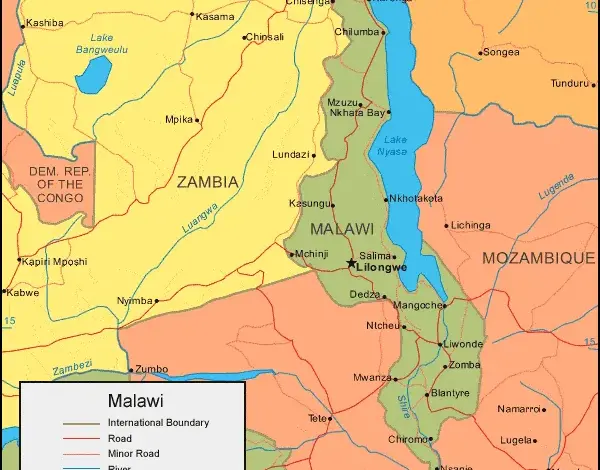
Malawi, a landlocked country in southeastern Africa, is currently navigating significant food security challenges, particularly following a drought influenced by the El Niño effect. Recently, India dispatched 1,000 metric tonnes of rice to support Malawi’s food security efforts, highlighting the urgent need for assistance in the region.
Despite these challenges, Malawi has made remarkable progress in the fight against HIV. Approximately 7% of the population lives with HIV, yet the country stands out as one of the few that has met the United Nations’ 95-95-95 targets for HIV treatment. This means that 95% of people living with HIV are diagnosed, 95% of those diagnosed are treated, and 95% of those treated have a viral load below 200 copies per millilitre.
Between 2007 and 2019, Malawi implemented an electronic medical record system in 106 HIV clinics across the country. This initiative, funded by the government with support from international donors, has proven to be a game-changer in HIV care. The adoption of this system has led to an estimated 28% reduction in annual patient deaths five years after its implementation.
The financial implications of adopting this electronic medical record system are noteworthy. The average cost for a clinic to implement the system was approximately US$34,050, which translates to an estimated cost of US$448 per life saved. This investment has not only improved record-keeping but has also significantly enhanced patient outcomes.
Moreover, the impact on child mortality rates has been profound. Within five years of the electronic medical records adoption, the number of children under the age of 10 dying from HIV/AIDS fell by 44%. This statistic underscores the importance of effective healthcare systems in combating diseases that disproportionately affect vulnerable populations.
Malawi’s economy is heavily reliant on subsistence farming, which makes the current food security crisis particularly concerning. The combination of drought and the ongoing challenges posed by HIV/AIDS creates a complex situation that requires immediate attention and resources.
As Malawi continues to address these pressing issues, observers are keenly watching how the government and international partners will respond to the dual challenges of food insecurity and healthcare. While strides have been made in HIV treatment, the situation remains precarious, and details remain unconfirmed regarding the long-term strategies that will be implemented to ensure both food security and health improvements.