Kannada: Exploring Comedy: Harman Preet Singh’s Unique Perspective
Harman Preet Singh’s Journey in Kannada Comedy
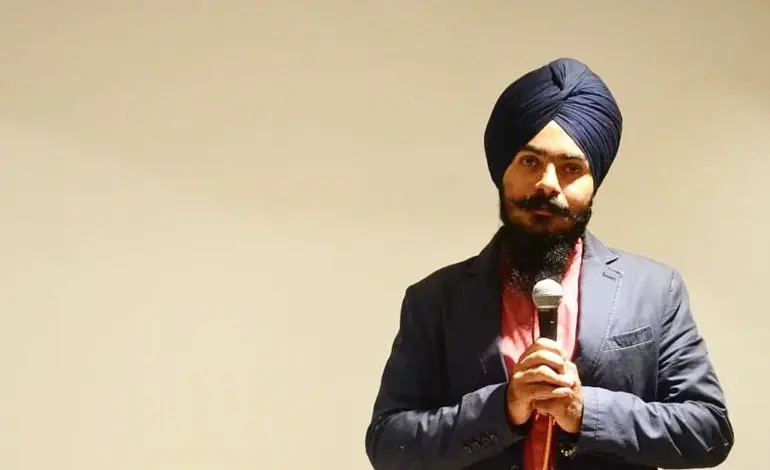
“I thought about it in two frames only: how I look and how I want to be perceived,” remarked Harman Preet Singh, a prominent figure in the Kannada comedy scene. Singh, who performs in Kannada, Hindi, and English, has carved a niche for himself in Bengaluru’s vibrant entertainment landscape. His set, titled ‘Heart Alli Kaveri,’ showcases his unique comedic style, blending cultural nuances with relatable humor.
Singh’s journey into Kannada comedy was not initially planned. He explained, “It was never my plan to perform in Kannada, but Kamath, Kashyap and a bunch of other comics were quite open to me performing.” This openness has allowed him to explore the intricacies of the Kannada language and connect with audiences on a deeper level. In his performances, he incorporates approximately 60% Kannada, while 40% of his content is in Kannada gothilla, reflecting his ongoing learning process.
His popularity is evident, with his bit ‘Should North Indians Learn Kannada’ garnering 3.5 million views on Instagram. This significant viewership highlights the growing interest in Kannada comedy and the cultural discussions it sparks. Singh’s ability to engage with diverse audiences through humor has made him a notable figure in the comedy circuit.
However, the journey has not been without its challenges. Singh faced backlash and received death threats, leading to the cancellation of a show in Chennai. He acknowledged the mixed reactions, stating, “I got a little hate from both sides, but I realised that this is just part and parcel of being on the internet.” This experience underscores the complexities of navigating cultural sensitivities in the digital age.
Kannada comedy is part of a broader historical context that includes adaptations of Shakespeare’s works, which have been present since the 19th century. DV Gundappa’s translation of Macbeth in 1936 marked a significant milestone, being the first faithful translation of a Shakespearean play into Kannada. Such adaptations have allowed the Kannada language to thrive in various artistic forms, including cinema, where works like The Taming of the Shrew have been reimagined.
Roopa Pai, a noted author, encapsulated the enduring relevance of Shakespeare in Kannada, stating, “Forsooth, the versatile Bard still lives and thrives in Kasturi Kannada.” This sentiment reflects the cultural richness of Kannada literature and its ability to adapt and resonate with contemporary audiences.
As Singh continues to navigate the world of Kannada comedy, his contributions are paving the way for future comedians. The blend of humor and cultural commentary in his performances not only entertains but also fosters a greater appreciation for the Kannada language. The future of Kannada comedy looks promising, with more artists likely to emerge and explore this vibrant medium.
Details remain unconfirmed regarding the next steps for Singh and the Kannada comedy scene, but the ongoing dialogue about language and identity in comedy is expected to evolve further.