Crude Oil Prices Surge Amid Ongoing Iran War
Crude oil prices have crossed $100 a barrel amid the ongoing Iran war, with Brent crude reaching approximately $119 per barrel, the highest level since July 2022. This surge in prices comes as the United States launched a military attack against Iran, further escalating tensions in the region.
The rise in crude oil prices is significant, especially considering that Brent crude had previously hit a record high of $147.50 per barrel on July 11, 2008. The current situation mirrors earlier spikes in oil prices, such as when crude futures last climbed above $100 in February 2022, shortly after Russia’s invasion of Ukraine. The geopolitical landscape continues to play a crucial role in oil price fluctuations.
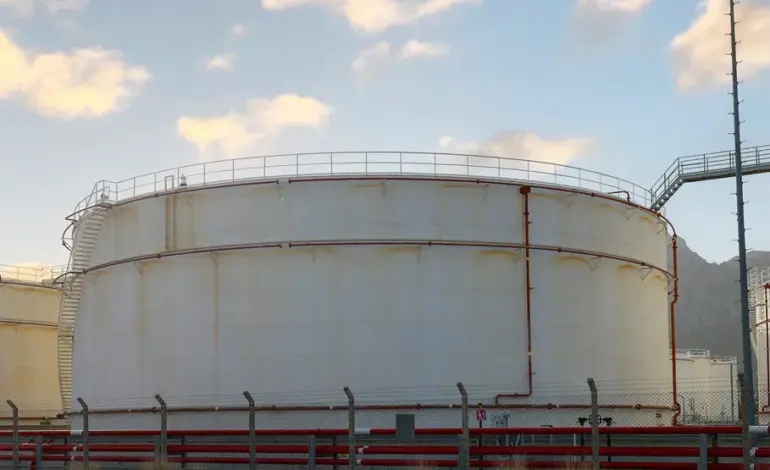
As a result of the conflict, the closure of the Strait of Hormuz, a vital conduit for global oil shipments, has caused storage facilities to rapidly reach capacity. Approximately 20% of the world’s oil passes through this narrow waterway, making its stability critical for global energy markets. Observers are now concerned that Middle East oil production shut-ins could exceed 4 million barrels a day by the end of next week, further straining supply.
Market analysts are closely monitoring these developments. Ron Insana noted, “Another 11 cents and oil hits $110! It was $55.99 exactly two months ago,” highlighting the rapid increase in prices. Andy Lipow remarked, “The psychological level of $100 oil may just be a short-term price target on its way to higher levels as the conflict drags on,” indicating that the situation may lead to even higher prices in the near future.
The impact of rising crude oil prices is also being felt in stock markets. The Nifty 50 index may see a 10% correction as crude oil prices surge above $115 per barrel. ICICI Securities stated, “In such an environment, Nifty 50 could potentially drop by ~10% from the pre-conflict-day level of 25,178; and the Nifty 50’s P/E ratio could drop to ~18x,” illustrating the interconnectedness of oil prices and market performance.
Haris Khurshid expressed the prevailing concern among investors, stating, “Right now, the biggest fear is still disruption to flows through Hormuz.” This underscores the anxiety surrounding potential supply chain disruptions that could arise from ongoing military actions in the region.
Historically, crude oil prices have fluctuated due to geopolitical tensions, such as the Iran war and Russia’s invasion of Ukraine. As the situation evolves, details remain unconfirmed regarding the exact impact of crude oil price fluctuations on the Nifty 50 index and broader economic implications. Market participants will be watching closely for any developments that could further influence oil prices and global markets.