Temperature Records Broken in Delhi
Unprecedented Temperature Rise in Delhi
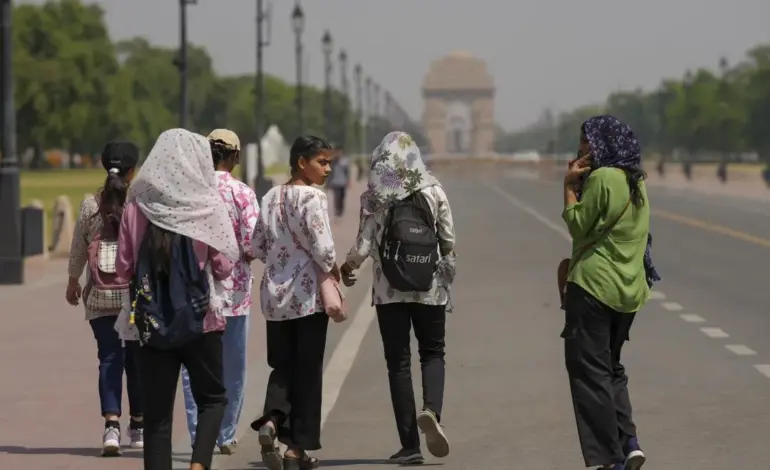
What does the recent spike in temperature in Delhi indicate about the changing climate? On March 7, 2026, the city recorded a maximum temperature of 35.7°C, the highest in the first week of March in 50 years.
This new record surpasses the previous high of 34.8°C, which was noted on March 5, 1999. The temperature on this day was also reported to be 7 degrees Celsius above normal, while the minimum temperature reached 17.4°C, which is 3 notches above normal.
According to the India Meteorological Department (IMD), this marks the earliest instance of temperatures exceeding 35 degrees Celsius in the first week of March in at least 15 years. Senior scientist RK Jenamani noted, “The day temperature is expected to show a gradual increase,” predicting it could rise to around 37 degrees Celsius by March 11, 2026.
In addition to the temperature records, Delhi’s air quality index (AQI) was recorded at 246, placing it in the ‘poor’ category, a significant increase from the previous day’s AQI of 172, which was in the ‘moderate’ range. This deterioration in air quality coincides with rising temperatures.
Many parts of North India have experienced temperatures 8 to 12°C above normal during the first week of March 2026, raising concerns about the potential for a hotter summer ahead. Jenamani remarked, “Delhi has been largely experiencing dry weather since the last intense rainfall on Jan 28.”
As the region continues to grapple with these extreme weather patterns, experts warn that if these rising temperatures are any indication, it could signal a particularly hot summer for North India this year.
Details remain unconfirmed regarding the long-term implications of these temperature changes, but the immediate effects on health and air quality are already being felt across the region.