Mahila divas: Celebrating : Progress and Challenges in Women’s Representation
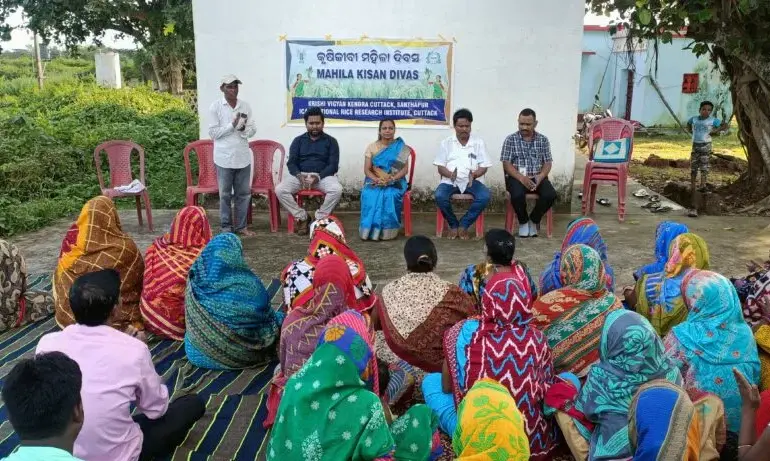
What does Mahila Divas signify for women’s representation in India?
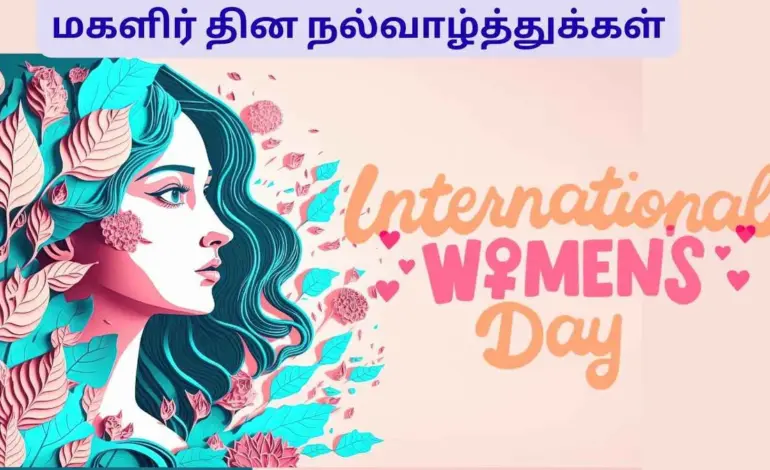
Mahila Divas, celebrated on March 8, raises critical questions about the status of women in Indian politics. As of 2026, women constitute 14% of the Lok Sabha, a figure that reflects both progress and the ongoing challenges in achieving gender parity in political representation.
Progress in Numbers
The journey of women in Indian politics has seen significant milestones. The proportion of women contesting Lok Sabha elections has increased from a mere 3% in 1957 to 10% in 2024. This upward trend is mirrored in the number of elected women members, which rose from 22 in the first Lok Sabha to 78 in the 17th Lok Sabha and 74 in the 18th Lok Sabha. Despite these advancements, women still hold only 13.6% of the seats in the 18th Lok Sabha.
Representation in the Rajya Sabha
In the Rajya Sabha, the representation of women has also improved, with the total number of women members increasing from 15 in 1952 to 42 currently, accounting for about 17% of the total members. This progress is crucial as it reflects a broader acceptance of women’s roles in governance and decision-making.
Grassroots Empowerment
At the grassroots level, India boasts approximately 14.5 lakh Elected Women Representatives (EWRs) in Panchayati Raj Institutions (PRIs), making up about 46% of the total elected representatives. This substantial representation at the local level is vital for fostering leadership skills among women and ensuring their voices are heard in community matters.
Legislative Changes and Future Prospects
The Constitution (One Hundred and Sixth Amendment) Act, 2023, which reserves one-third of all seats for women in the Lok Sabha and State Legislative Assemblies, marks a significant legislative step towards enhancing women’s representation. However, the women’s reservation Bill is expected to come into effect only after the next nationwide census and subsequent delimitation exercise, projected for the 2029 general elections.
Voices from History
Historical figures like Indira Gandhi have shaped the narrative around women’s political participation in India. Gandhi once remarked, “I consider it an insult… Why should I be considered a man when I am not?” This statement underscores the need for recognizing women’s unique contributions rather than conforming to traditional gender roles.
While India’s representation of women in the Lok Sabha stands at 14%, it is noteworthy that globally, women make up 27% of Members of Parliament (MPs). This disparity highlights the ongoing struggle for gender equality in political representation, not just in India but worldwide.
What Lies Ahead?
As we celebrate Mahila Divas, the path forward involves not only recognizing the progress made but also addressing the challenges that remain. The commitment to enhancing women’s representation in politics is essential for achieving true gender equality. Details remain unconfirmed regarding the exact timeline for the implementation of the women’s reservation Bill, leaving many to speculate on its impact on future elections.