Delhi Metro Expansion: A New Era of Connectivity
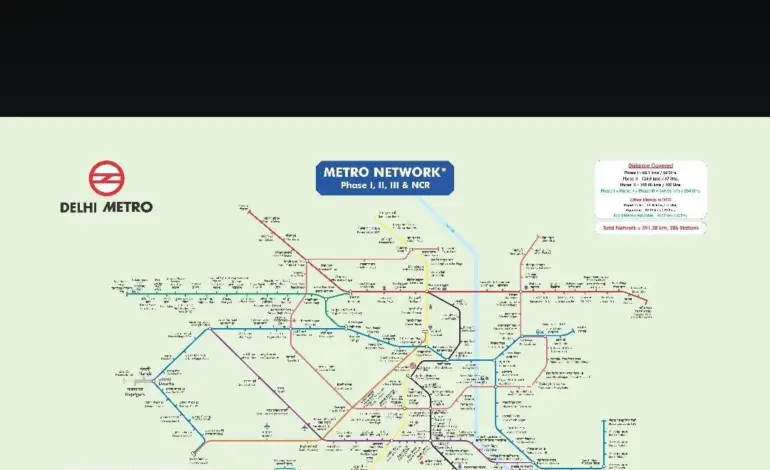
Before the Expansion
Prior to the recent developments, the Delhi Metro system was already a vital part of the city’s infrastructure, serving as a crucial mode of transportation for millions of commuters. The metro network had expanded significantly over the years, reaching a total length of 245 kilometers before 2013-14. However, the growing population and increasing traffic congestion highlighted the need for further enhancements to the metro system to accommodate the rising demand for efficient public transport.
The Decisive Moment
In a significant move to address these challenges, Prime Minister Narendra Modi inaugurated two new corridors of the Delhi Metro, marking a pivotal moment in the city’s transport evolution. The newly inaugurated Majlis Park-Maujpur Babarpur corridor stretches approximately 12.3 kilometers, while the Deepali Chowk-Majlis Park corridor spans about 9.9 kilometers. These additions are part of the broader Phase 5-A expansion, which includes three new corridors with a combined length of 16.10 kilometers. The total investment for these projects is around Rs 33,500 crore, with Rs 18,300 crore allocated specifically for the inaugurated corridors.
Direct Effects on Residents
The immediate effects of these new corridors are expected to be profound. Areas such as Burari, Bhajanpura, and Yamuna Vihar will benefit significantly from improved connectivity, allowing residents to travel more efficiently across the city. The expansion is anticipated to enhance the ease of living for many, as it will facilitate smoother commutes between Noida, South Delhi, and the airport. This development is not only a boon for daily commuters but also a step towards reducing traffic congestion on the roads.
Expert Perspectives
Experts have weighed in on the significance of this expansion. Manohar Lal emphasized that “Metro rail has become the lifeline of Delhi and is helping commuters to save considerable travel time.” Additionally, Rekha Gupta noted that “these metro corridors are also significant achievements from an engineering perspective,” highlighting the technical advancements involved in the project. Prime Minister Modi also remarked on the broader implications of the metro expansion, stating, “India is scripting a new chapter in women empowerment and they are playing an important role in the country’s development.”
The expansion of the metro rail network in India has accelerated significantly over the past 11 years, transforming the urban landscape and enhancing the quality of life for millions. The Delhi Metro Rail Corporation has played a pivotal role in this transformation, continuously working to expand and modernize the network to meet the needs of a growing urban population.
Future Prospects
As the metro network in India approaches a total length of around 1,100 kilometers, the future looks promising for urban transport in Delhi. The recent expansions are expected to set a precedent for further developments, potentially leading to more corridors and improved services in the coming years. The ongoing commitment to infrastructure development will likely continue to enhance connectivity and support the city’s growth.
The inauguration of the new Delhi Metro corridors represents a significant milestone in urban transportation, promising to improve connectivity and ease of living for residents. As the city continues to evolve, the metro system will remain a cornerstone of its infrastructure, addressing the challenges of urban mobility and contributing to sustainable development.