Malta’s Role in Global Dialogue and Legal Battles Over Conversion Therapy
What does Malta’s involvement in global discussions reveal about its legal landscape?
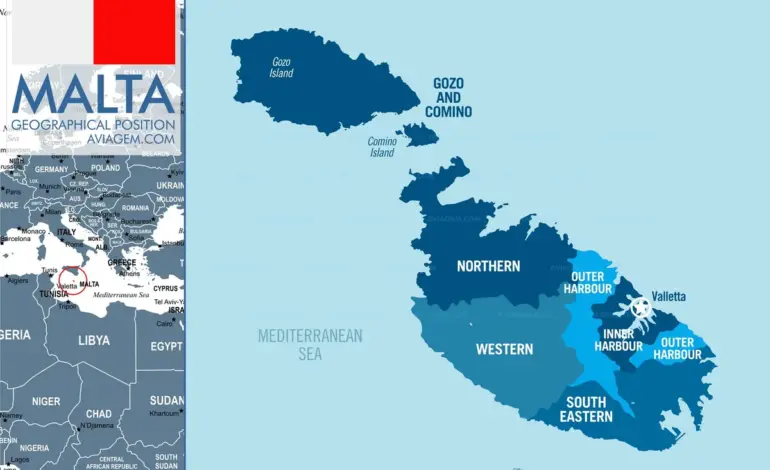
Malta has recently gained attention not only for its role in international dialogues but also for its ongoing legal battles concerning conversion therapy. This duality raises questions about how Malta navigates its progressive stance on LGBTQ+ rights while grappling with the implications of freedom of speech related to religious beliefs.
During the Raisina Dialogue held in New Delhi, India, Indian External Affairs Minister S Jaishankar engaged in bilateral meetings with leaders from various countries, including Malta’s Deputy Prime Minister Ian Borg. Jaishankar remarked, “I had a good meeting with Deputy Prime Minister Ian Borg of Malta,” highlighting the importance of Malta in international discussions.
The Raisina Dialogue, scheduled from March 5 to March 7, 2026, aims to provide a platform for global decision-makers to exchange ideas. This year, around 2,700 participants from 110 countries are attending, showcasing the event’s significance in fostering international cooperation.
Malta has made headlines in recent years for its progressive legislation, becoming the first country in Europe to ban practices aimed at changing sexual orientation in 2016. This landmark decision reflects Malta’s commitment to human rights and LGBTQ+ advocacy. However, the country has also faced challenges, particularly in the case of Matthew Grech, who was acquitted after a three-year legal battle regarding his views on homosexuality and conversion therapy.
Grech’s trial, which began in April 2022, involved 17 court hearings and highlighted the tension between personal beliefs and legal frameworks. Following his acquittal, Grech stated, “Today’s decision is not just a personal vindication, it is a reaffirmation of a fundamental principle: speaking about one’s lived experience, including the transforming power of Christ, is not a crime.” His remarks underscore the complexities surrounding freedom of speech and religious expression in Malta.
Despite the legal victories, the Catholic Church’s teachings that label homosexual acts as “intrinsically disordered” continue to influence public discourse and policy in Malta. Grech himself expressed a belief in the possibility of repentance, stating, “Just like every other sin, one can repent from it and ask God for forgiveness and ask him for strength to overcome.” This perspective reflects a broader societal debate on the intersection of faith and sexual orientation.
As Malta continues to engage in global dialogues and confront its legal challenges, the future remains uncertain. The outcomes of ongoing discussions and legal battles will likely shape the country’s approach to LGBTQ+ rights and freedom of expression. Details remain unconfirmed regarding how these dynamics will evolve in the coming years, particularly in light of Malta’s commitment to human rights on the international stage.