Iran hormuz strait
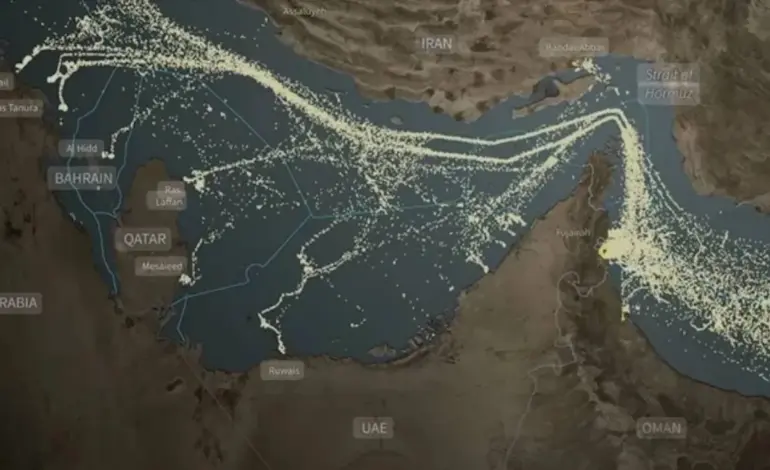
Current Situation in the Iran Hormuz Strait
The Strait of Hormuz has long been recognized as a critical maritime passage for global oil and LNG shipments. Prior to recent developments, there were rising concerns about the potential closure of this vital route by Iran, which would have significant implications for international energy markets.
However, on March 6, 2026, Iran’s Deputy Foreign Minister, Saeed Khatibzadeh, publicly denied reports suggesting that the Strait had been closed. He emphasized, “We have not yet closed the Strait of Hormuz. If we are going to close it, we are going to announce it… It has not been closed by us. We have no intention to do it until further notice.” This statement marks a decisive moment in the ongoing tensions in the region.
Despite the assurances from Iranian officials, the situation remains precarious. The Islamic Revolutionary Guard Corps has indicated that in times of conflict, passage through the Strait will be under their control, raising concerns among international shipping entities.
In the immediate aftermath of these developments, crude prices have surged more than 15 percent since fighting began in the region. This increase reflects market anxieties over potential disruptions in oil supply. Furthermore, the number of crude tankers transiting the Strait dropped dramatically to just four vessels on March 1, compared to an average of about 24 vessels per day since January.
Approximately 45 percent of China’s imported crude oil travels through the Strait of Hormuz, making the stability of this route crucial for Beijing. In light of the recent tensions, China is actively negotiating with Iran to ensure safe passage for its oil and LNG shipments.
As of now, around 300 oil tankers are reportedly stranded in the Strait area, highlighting the logistical challenges posed by the current situation. The exact impact of ongoing negotiations between China and Iran on shipping through the Strait is unclear. Details remain unconfirmed.
The geopolitical landscape surrounding the Strait of Hormuz continues to evolve, with multiple stakeholders, including the United States and Israel, closely monitoring the situation. Seyed Abbas Araghchi, an Iranian official, has accused the US of aggression, stating, “The US has perpetrated an atrocity at sea… Frigate Dena, a guest of India’s Navy carrying almost 130 sailors, was struck in international waters without warning.”
As tensions persist, the international community remains watchful of developments in the Iran Hormuz Strait, given its significance to global energy security and regional stability.