DANICS Officer Faces Disciplinary Action Upheld by Delhi High Court
Background of the Case
The case concerns actions taken by a DANICS officer in 2016 when he served as Land Acquisition Collector. The officer was involved in a land acquisition matter that resulted in a refund of 3.26 crore. Following these actions, disciplinary proceedings were initiated against him, leading to a penalty that included a reduction of pay scale for three years and the suspension of promotion during that period.
Recent Developments
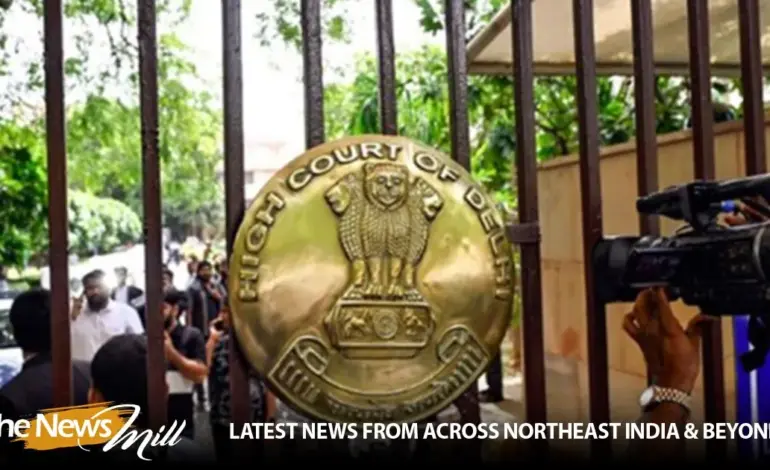
On March 5, 2026, the Delhi High Court upheld the disciplinary penalty against the officer, confirming that there was no legal provision allowing him to issue a refund order after the land acquisition. This ruling has significant implications for the officer’s career within the DANICS service.
Anuj Agnihotri’s Journey
In a related development, Anuj Agnihotri, a probationer in the DANICS service, recently secured the All India Rank 1 (AIR 1) in the UPSC Civil Services Examination 2025. He graduated from AIIMS Jodhpur in 2023 and had previously attempted the UPSC examination three times before achieving this success. His journey reflects the rigorous demands of the civil services selection process in India.
Statements from Anuj Agnihotri
Upon learning of his results, Anuj Agnihotri stated, “I was informed of the result just now. Currently, I am a probationer in the DANICS service.” He further expressed the challenges of preparing for the UPSC exams, saying, “The journey to UPSC requires a lot of effort. It’s a gruelling journey, but the final result is good, so everything feels good…”
Support from Family and Friends
Agnihotri credited his family and friends for their support throughout his preparation. He remarked, “Family supported me in my journey a lot, and my aspirant friends also provided a lot of insightful inputs, which helped me learn with more focus.” His father works at the Nuclear Power Plant in Rawatbhata, and his mother sacrificed her career to support his education.
Future Implications
The ruling by the Delhi High Court not only affects the officer involved but also serves as a reminder of the accountability mechanisms in place within the civil services. Observers suggest that this decision may deter similar misconduct among public servants, reinforcing the importance of adherence to legal protocols in government operations.
As the DANICS officer faces the consequences of his actions, Anuj Agnihotri’s achievements highlight the potential for success within the civil services, even amidst challenges. The outcomes of both cases will likely influence the future landscape of civil service conduct and aspirations in India.