Azerbaijan Accuses Iran of Drone Attack Amid Rising Tensions
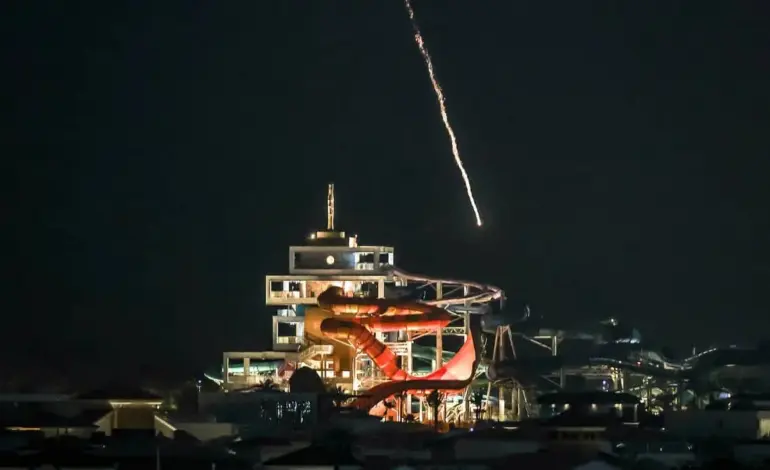
Azerbaijan Accuses Iran of Drone Attack
On March 5, 2026, Azerbaijan reported a significant escalation in tensions with Iran following a drone attack that injured four civilians in the Nakhchivan exclave. This incident marks a troubling development in the already complex geopolitical landscape of West Asia, where Azerbaijan has been strengthening its military and economic ties with Israel and the United States, while Iran’s influence in the region appears to be waning.
The drone attack specifically targeted the Nakhchivan exclave, which is geographically isolated from the rest of Azerbaijan by a 40-kilometer wide swath of Armenia. The attack not only resulted in civilian injuries but also caused damage to an airport building, raising concerns about the safety and security of the region. In response, Azerbaijan’s Foreign Ministry lodged an official protest with the Iranian embassy, condemning the act as a violation of international law.
Azerbaijan’s President Ilham Aliyev characterized the drone strike as a “groundless act of terror and aggression,” emphasizing that such actions would not be tolerated. He demanded that Iranian officials clarify the situation promptly and called for accountability for those responsible for the attack. Aliyev’s strong rhetoric reflects the heightened sensitivities surrounding Azerbaijan’s national security and its relationships with neighboring countries.
Following the drone attack, Azerbaijan took immediate measures by halting truck traffic across its border with Iran. This decision underscores the seriousness with which Baku is treating the incident and its implications for bilateral relations. Azerbaijan’s military has also been instructed to prepare and implement retaliatory measures, indicating a potential escalation in military readiness.
Iran, on the other hand, has denied any involvement in the drone attack, with its general staff asserting that no drones were launched toward Azerbaijan’s territory. This denial adds another layer of complexity to the situation, as Azerbaijan’s Foreign Ministry has stated that Iran’s actions contradict international law and contribute to increased regional tension.
The backdrop of this conflict includes a significant Azeri population within Iran, which has historically led to frictions between the two nations. Iran has accused Azerbaijan of permitting Israeli intelligence operations from its territory, further complicating the dynamics at play. As Azerbaijan continues to develop its ties with Israel, the potential for conflict with Iran remains a pressing concern.
The drone attack on March 5 is not an isolated incident but part of a broader pattern of escalating tensions in the region. The situation is particularly sensitive given the strategic importance of Nakhchivan, which accounts for approximately 6% of Azerbaijan’s territory. The exclave’s separation from the main part of Azerbaijan by Armenian territory makes it a focal point for potential military confrontations.
As of now, the situation remains tense, with both nations on high alert. The international community is closely monitoring developments, as the implications of this conflict extend beyond Azerbaijan and Iran, potentially affecting regional stability in the South Caucasus. Details remain unconfirmed regarding the next steps from either side, but the potential for further escalation is evident.