Understanding the Seychelles Chikungunya Virus Outbreak
Introduction
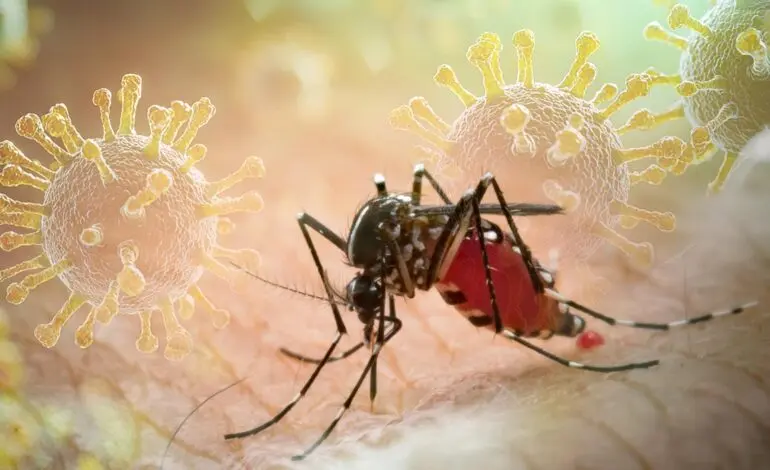
The recent outbreak of chikungunya virus in Seychelles has drawn significant attention from health authorities and the public alike. Chikungunya, a mosquito-borne virus, causes debilitating symptoms including fever and joint pain, which can last for weeks or even months. The importance of monitoring this outbreak is heightened by its potential impact on public health and tourism in the island nation, as Seychelles is a popular destination for international travelers.
Current Situation
The Seychelles Ministry of Health reported an increase in chikungunya cases since the beginning of this year, with over 200 confirmed cases as of October 2023. The outbreak has affected several regions, particularly among those living in close proximity to the water where the Aedes mosquitoes thrive. This surge in cases has prompted health officials to implement emergency measures, including public awareness campaigns focused on prevention and control of the mosquito population.
In response, the government has intensified vector control programs, aiming to reduce mosquito breeding sites through public education on the importance of eliminating standing water. Health officials are urging the population to use mosquito repellent and wear protective clothing, especially during peak biting times. Additionally, community clean-up initiatives are being organized to assist in maintaining a mosquito-free environment.
Impacts on Health and Tourism
The chikungunya outbreak poses a risk not only to public health but also to Seychelles’ economy, particularly its tourism sector. Many travelers visiting Seychelles might be deterred from engaging in outdoor activities due to concerns surrounding mosquito-borne diseases. The tourism industry, which is a pillar of the Seychellois economy, is closely monitoring the situation, with travel advisories being evaluated and updated.
Conclusion
The ongoing chikungunya outbreak in Seychelles highlights the importance of public health readiness and the need for effective communication between health authorities and the public. As the government continues to fight the outbreak through awareness and vector control measures, the hope is to contain the virus swiftly and prevent further spread. For residents and tourists alike, staying informed and taking preventive measures will be crucial in navigating this health challenge. Continued monitoring and research will be essential in managing and mitigating the risks associated with chikungunya in Seychelles.