Understanding the Dense Fog Advisory and Its Importance
What is a Dense Fog Advisory?
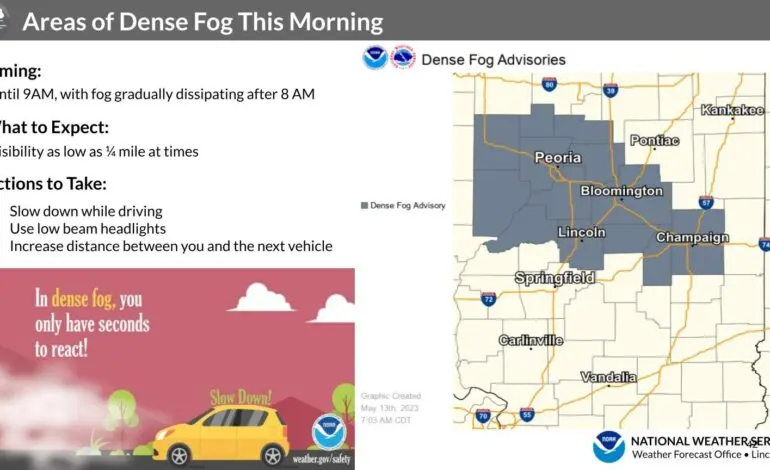
A dense fog advisory is issued when fog reduces visibility to less than a quarter of a mile, significantly impairing driving conditions and posing risks to safety. This weather phenomenon occurs when moisture in the air condenses into tiny water droplets, forming thick fog. The National Weather Service (NWS) issues these advisories to alert the public, particularly motorists, of the potential dangers associated with low visibility.
Recent Incidents and Warnings
This week, the Midwest and Northeast regions of the United States are grappling with a series of dense fog advisories as unseasonably warm air meets cooler ground temperatures. States such as Illinois, Indiana, and New York have reported incidents ranging from minor accidents to delays in public transport due to low visibility. Authorities have urged individuals to take necessary precautions when traveling, including reducing speed, using headlights, and increasing following distance between vehicles.
Impact on Travel and Safety
Dense fog can severely affect transportation systems including aviation, rail services, and highways. Flight delays and cancellations have been reported at major airports, such as Chicago O’Hare and New York’s LaGuardia, compelling travelers to check with their airlines for updated flight statuses. Similarly, rail lines have experienced delays stemming from safety protocols implemented during foggy conditions. It’s crucial for travelers to stay up-to-date with local weather reports and forecasts to avoid potential hazards.
Conclusion and Safety Tips
As dense fog advisories continue in various parts of the country, it is essential for the public to remain vigilant and well-informed. Drivers should always adhere to traffic regulations and be extra cautious in low visibility situations. As meteorological predictions indicate that fog conditions may persist throughout the week, residents are advised to plan their travels accordingly, considering alternate routes or delaying trips if possible. By heeding these advisories and exercising caution, individuals can protect themselves and contribute to overall road safety.