The Rise of Electric Vehicles: A 2023 Perspective

Introduction: The Importance of Electric Vehicles
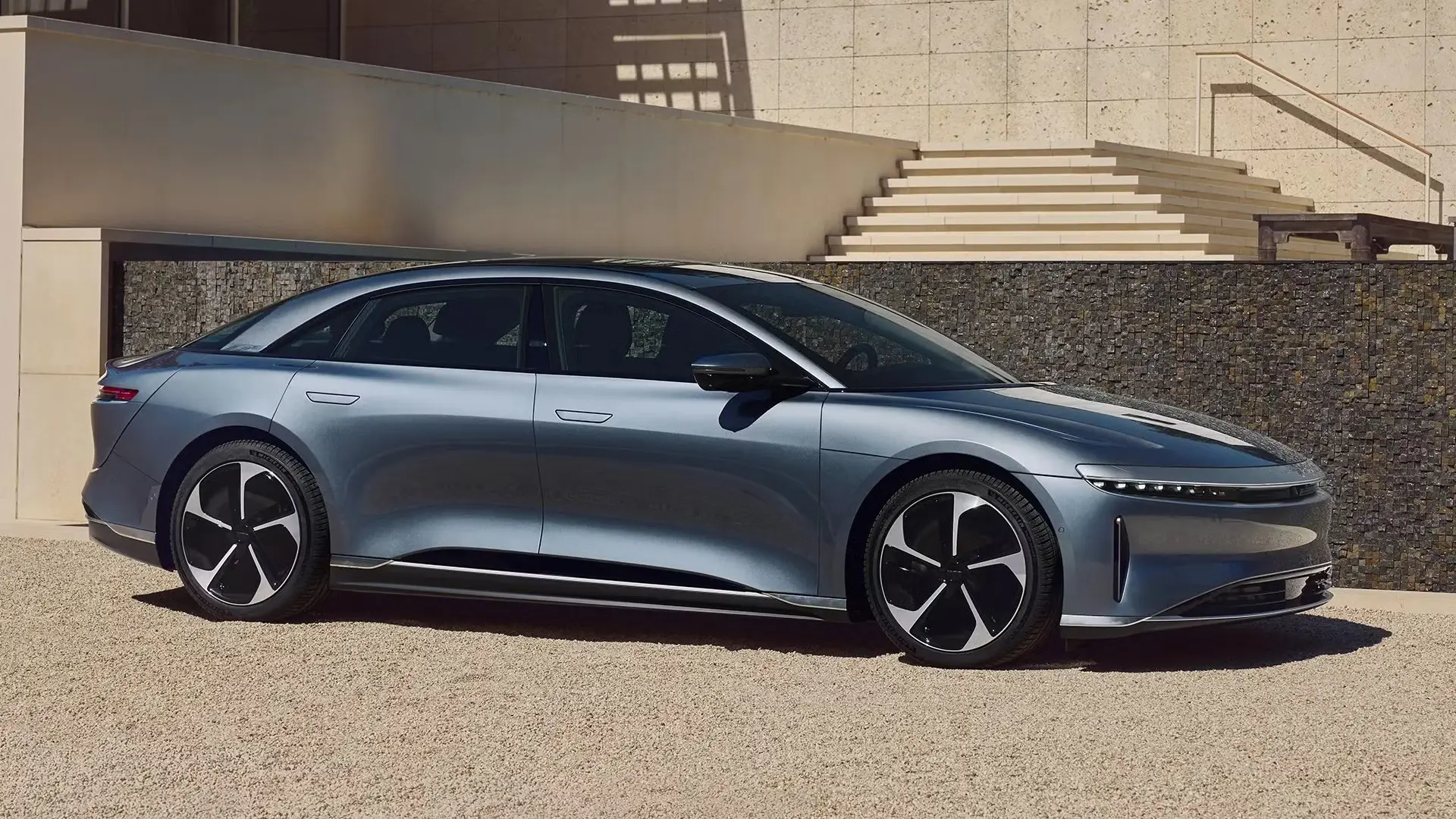
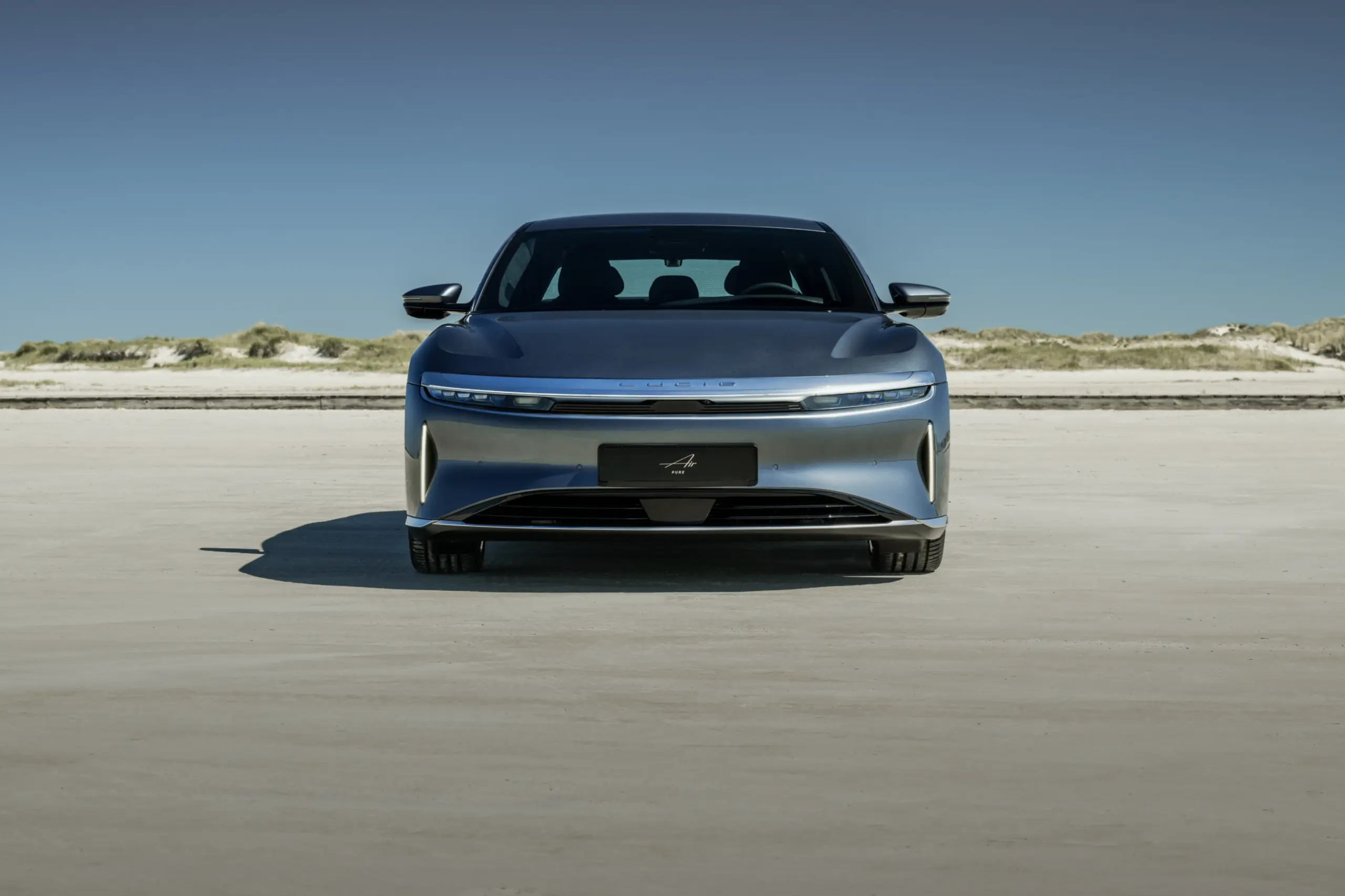
As the world faces the pressing challenges of climate change and rising fuel costs, electric vehicles (EVs) have emerged as a crucial component in the transition toward sustainable transportation. With increasing consumer awareness and government incentives, the electric vehicle market is experiencing unprecedented growth and innovation.
Current Trends in the Electric Vehicle Market
In 2023, the electric vehicle market has seen a dramatic increase in sales. According to the International Energy Agency (IEA), global electric car sales reached 10.5 million in 2022, nearly doubling from the previous year. Leading the charge are companies like Tesla, which remains a major player, while traditional automakers such as Ford, GM, and Volkswagen are investing heavily in EV technology.
Government policies are also playing a significant role in the EV boom. The Biden administration has set ambitious goals to have half of all new vehicles sold in the U.S. be electric by 2030. Additionally, many states are offering tax credits and other incentives to encourage the adoption of electric vehicles.
Infrastructure Development
The growth of electric vehicles relies heavily on the development of charging infrastructure. In 2023, the U.S. has bolstered its network of charging stations, with over 150,000 public charging outlets now available, according to the Department of Energy. Major corporations are also contributing by building fast-charging stations, making it increasingly convenient for consumers to switch from gasoline to electric.
Challenges Ahead
Despite the momentum, challenges remain for the electric vehicle industry. Issues such as battery production costs, supply chain disruptions, and range anxiety among consumers persist. Moreover, the raw materials needed for batteries, like lithium and cobalt, are influenced by geopolitical factors, which can affect the overall supply chain.
Conclusion: The Future Looks Electric
In conclusion, the electric vehicle market is on an upward trajectory, driven by technological advancements, supportive policies, and growing consumer demand. As more manufacturers enter the space and infrastructure improves, it seems highly likely that electric vehicles will become a standard choice for consumers. The continued investment in battery technology and renewable energy sources will also be crucial for the sustainable growth of this sector. For readers, the shift towards electric vehicles represents not just a trend, but a major transformation in how we think about transportation and energy consumption in the coming years.