Stellantis Issues Takata Airbag Recall: What You Need to Know
Introduction
The safety of vehicles on the road remains a critical issue, particularly concerning potentially dangerous components such as airbags. The recent recall issued by Stellantis for vehicles equipped with Takata airbags emphasizes this ongoing concern. With the Takata airbag scandal still casting a shadow over automotive safety, understanding the implications of such recalls is essential for both consumers and stakeholders.
Details of the Recall
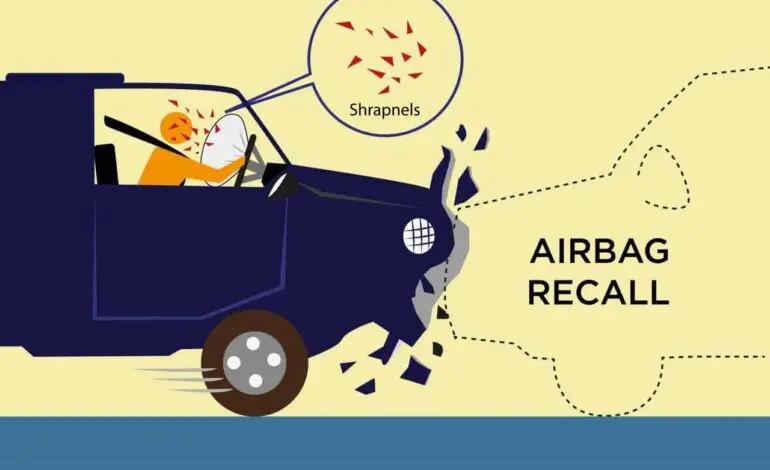
Stellantis, the multinational automotive manufacturer formed from the merger of Fiat Chrysler and the PSA Group, announced a significant recall due to faulty Takata airbag inflators that may pose risks of rupture during deployment. This microscopic problem can lead to metal fragments being released into the vehicle, which can injure passengers and drivers.
As of October 2023, Stellantis outlined that approximately 350,000 vehicles in the United States are affected, spanning various models, including certain Chrysler, Dodge, and Jeep vehicles from specific production years. The National Highway Traffic Safety Administration (NHTSA) has been closely monitoring the situation, urging owners to act swiftly once they receive notifications from Stellantis.
Background on Takata Airbags
The Takata airbag crisis has been a significant safety debacle in the automotive industry, starting back in 2008 when the first recalls due to airbag malfunctions emerged. Millions of vehicles globally have been affected, leading to dozens of deaths and injuries. The defect is mostly tied to the airbag inflator’s chemical propellant, which can degrade over time, particularly in humid climates.
Consumer Response and Recommendations
For those who own affected Stellantis vehicles, it is crucial to take quick action. The company encourages vehicle owners to check whether their cars are part of the recall by entering their Vehicle Identification Number (VIN) on the NHTSA’s website. Furthermore, owners should schedule a service appointment with their local dealer to have the airbags replaced at no cost.
Conclusion
The Stellantis Takata airbag recall serves as a significant reminder of the importance of vehicle safety and the responsibilities of automobile manufacturers to protect consumers. As awareness of automotive safety issues increases, recalls like this highlight the need for continuous vigilance and prompt action from vehicle owners. Future implications may lead to tougher regulatory scrutiny for automakers and a sustained effort to improve safety measures across the industry.