Exploring Latvia: Culture, Economy, and Future Prospects
Introduction
Latvia, a small but vibrant country located in the Baltic region of Northern Europe, has increasingly become a focal point of interest for travelers and investors alike. Known for its stunning landscapes, historic architecture, and rich cultural heritage, Latvia plays a significant role in the European Union and the broader Baltic Sea economy. This article examines Latvia’s current situation, highlighting its cultural wealth and economic development, as well as its significance in today’s global landscape.
Cultural Heritage and Tourism
Latvia boasts a diverse culture influenced by its history of various occupations, from German and Swedish to Russian dominion. The capital city, Riga, is a United Nations Educational, Scientific and Cultural Organization (UNESCO) World Heritage Site, renowned for its Art Nouveau architecture and historical medieval buildings. The annual Riga City Festival, celebrated every August, attracts hundreds of thousands of visitors each year, showcasing local traditions, cuisine, and performances.
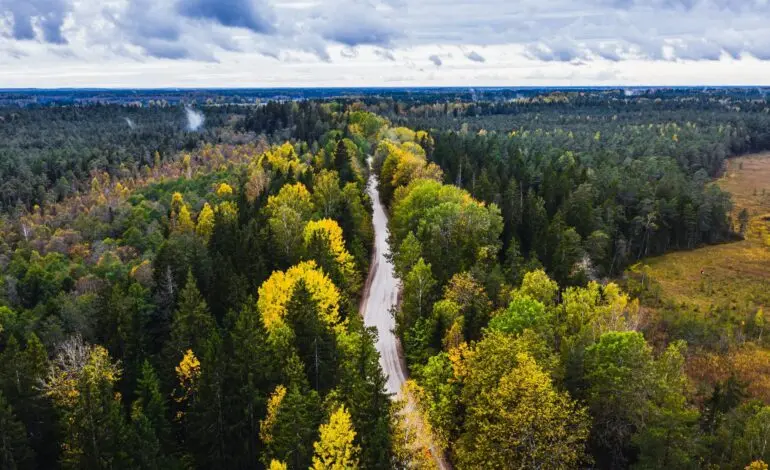
In recent years, the tourism industry has seen steady growth. According to the Latvian Tourism Development Agency, visitor numbers have increased by approximately 5% annually, driven by attractions such as the stunning seaside resort city of Jurmala, the picturesque Gauja National Park, and the unique culture found in the regions of Kurzeme and Latgale. As travel continues to rebound post-pandemic, Latvia presents an appealing destination for those seeking both adventure and cultural immersion.
Economic Developments
On the economic front, Latvia has shown resilience, bouncing back strongly from the challenges posed by the COVID-19 pandemic. The country recorded a GDP growth rate of 4% in 2022, according to data from the Central Statistical Bureau of Latvia. Key sectors contributing to this growth include information technology, logistics, and manufacturing.
In addition to its traditional industries, Latvia is making a name for itself in the tech sector with a burgeoning startup ecosystem. The government has launched several initiatives to support entrepreneurship, including the Startup Law, which has paved the way for easier business registration and access to funding. As a result, Riga has emerged as a tech hub in the Baltic region, attracting talent and investment from across Europe.
Conclusion
In conclusion, Latvia stands as a proud representation of the Baltic region, combining rich culture, stunning landscapes, and a growing economy. As it continues to gain traction as a travel destination and a center of economic innovation, the future looks bright for this Baltic gem. For readers and potential tourists or investors looking to explore new opportunities, Latvia offers a wealth of experiences and prospects just waiting to be discovered. Its commitment to growth and preservation of culture ensures it remains an essential player on the European stage.