Exploring Iceland’s Reynisfjara Black Sand Beach
Introduction to Reynisfjara Black Sand Beach
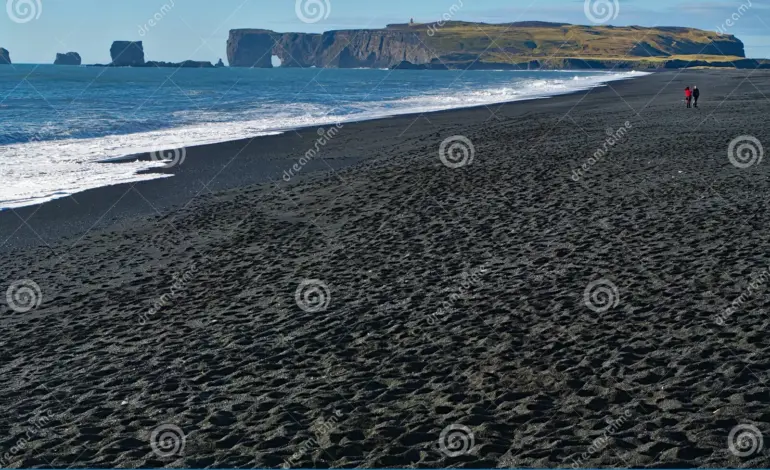
Reynisfjara Black Sand Beach, located on the southern coast of Iceland near the town of Vik, is renowned for its striking black sands, powerful waves, and unique geological formations. This beach is an essential part of Iceland’s natural landscape and has gained international recognition as one of the most beautiful beaches in the world. Its otherworldly beauty attracts thousands of tourists annually, making it an important destination for visitors seeking to experience Iceland’s natural wonders.
Unique Features
The black sands of Reynisfjara are a result of volcanic activity, with basalt columns and rock formations dotting the shoreline. The beach is flanked by towering basalt stacks known as Reynisdrangar, which legend states are trolls turned to stone after being caught out at sea. The beach’s dramatic waves are a result of the powerful Atlantic Ocean, but they pose a risk to visitors, with sneaker waves known to occur, highlighting the importance of safety while exploring the area.
Environmental and Cultural Significance
Reynisfjara’s unique environment is also home to several bird species, making it a popular spot for birdwatching. The cliffs near the beach provide crucial nesting sites for puffins, Arctic terns, and other seabirds. Additionally, local folklore and history are significant, with tales of trolls and historical maritime practices contributing to the area’s cultural richness.
Visitor Guidance
For those planning a visit, it is essential to adhere to safety guidelines, particularly due to unpredictable weather and hazardous wave conditions. Visitors are encouraged to maintain a safe distance from the shoreline and to heed advice from local authorities. Facilities including parking areas and restrooms are available nearby, but it is essential to be mindful of the natural environment and maintain its beauty for future visitors.
Conclusion
Reynisfjara Black Sand Beach is not just a picturesque location; its combination of stunning natural beauty, cultural significance, and biodiversity makes it an important part of Iceland’s landscape. As tourism continues to grow, maintaining awareness of environmental conservation and safety practices will ensure that this iconic beach remains an awe-inspiring destination for generations to come. Visitors are encouraged to explore, appreciate, and respect the natural wonders that Iceland offers, particularly at this remarkable site.