The Impact of Sports on Society and Community Health
Introduction
Sports have always played a significant role in society, serving not only as a form of entertainment but also as a catalyst for community building and personal development. The current global emphasis on health and wellness has highlighted the importance of sports in fostering social connections, enhancing physical health, and promoting mental well-being. As various sports events gain international attention, the cultural and economic significance of sports is more relevant now than ever.
Benefits of Sports Participation
Participation in sports offers numerous benefits, ranging from physical health improvements to social cohesion. According to a study published by the World Health Organization, engaging in regular physical activity, including sports, can reduce the risk of chronic diseases such as obesity, heart disease, and diabetes. Moreover, sports contribute significantly to mental health by reducing symptoms of depression and anxiety. The positive impact on mental well-being can be attributed to the release of endorphins during physical activity and the sense of accomplishment derived from sports participation.
Community and Economic Impact
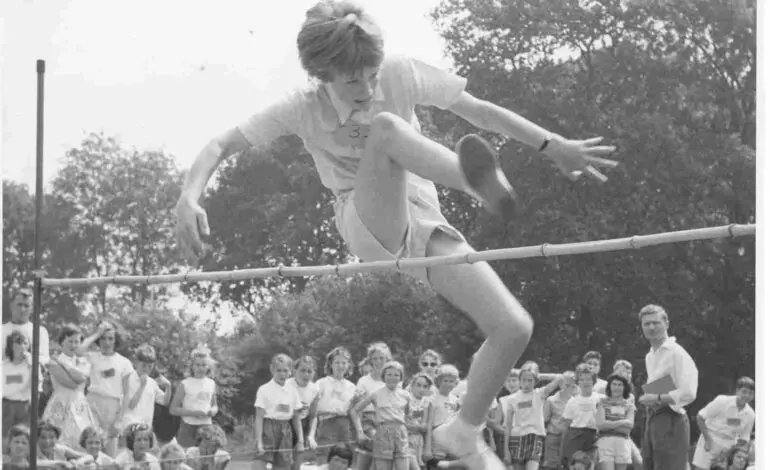
Sports also play a pivotal role in bringing communities together. Local sports clubs and events foster relationships among community members, promoting teamwork, discipline, and unity. For example, community leagues and school sports encourage participation among youth, helping to develop essential life skills. Economically, major sporting events like the Olympics or the FIFA World Cup can significantly boost local economies through tourism, job creation, and infrastructure development. A report from the International Monetary Fund suggests that hosting international sporting events can enhance a country’s GDP by as much as 1% due to increased spending in various sectors.
Challenges Facing Sports Today
Despite the many benefits, the world of sports also faces several pressing challenges. Issues such as doping, corruption, and the commercialization of sports can undermine the integrity of athletic competitions. Additionally, access to sports facilities and programs is often unequal, with marginalized communities facing barriers to entry. Advocacy for inclusivity and ensuring equitable access to sporting opportunities is crucial for the future growth of sports and its benefits.
Conclusion
In conclusion, the importance of sports extends far beyond the playing field, impacting public health, community cohesion, and economic growth. As societies continue to navigate various challenges, encouraging sports participation and addressing existing inequalities will be key to maximizing the benefits that sports can offer. As we look ahead, fostering a culture of inclusivity and fair play in sports will not only enhance individual lives but will also strengthen the fabric of communities around the world.