Nodar Kumaritashvili: A Tragic Legacy in Luge
Introduction
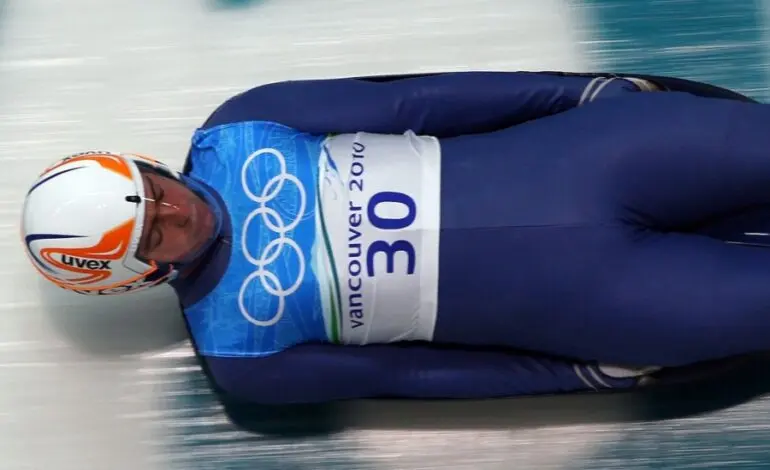
Nodar Kumaritashvili, a Georgian luger, became a symbol of both talent and tragedy during his all-too-brief career. His untimely death at the 2010 Winter Olympics in Vancouver prompted significant changes in luge safety regulations and sparked international conversations about athlete safety in extreme sports. This topic remains relevant today as winter sports continue to evolve in terms of both competition and safety protocols.
Background of Nodar Kumaritashvili
Kumaritashvili was born on December 16, 1988, in Borjomi, Georgia. He began training in luge at a young age and quickly made a name for himself on the international circuit. By the time he competed in the 2010 Winter Olympics, he was regarded as one of the promising young talents in the sport. However, it was during a training run on February 12, 2010, that tragedy struck. Kumaritashvili lost control of his sled, crashing into a metal pole at high speed, resulting in fatal injuries.
Impact of Kumaritashvili’s Death
Nodar Kumaritashvili’s tragic accident led to an immediate reevaluation of safety standards in luge and other sliding sports. In the wake of his death, the International Luge Federation (FIL) implemented several key safety measures. This included redesigning tracks to reduce speed and adding barriers to protect athletes from similar accidents. The FIL also increased oversight on track conditions and enforced stricter guidelines on training practices.
Lasting Legacy and Safety Improvements
In the years following Kumaritashvili’s accident, there have been ongoing discussions about athlete safety in winter sports. His legacy brought awareness to the inherent risks associated with extreme sports and the necessity of improving safety protocols. Many sporting organizations have since introduced training programs that emphasize safety and proper equipment usage. Furthermore, Kumaritashvili is remembered not just for his passion for the sport, but also as a catalyst for change that prioritizes athlete well-being.
Conclusion
The memory of Nodar Kumaritashvili continues to resonate within the world of winter sports. The changes made to luge safety protocols serve as a reminder of the importance of protecting athletes. As the sport evolves, it is crucial for all stakeholders to remain vigilant in promoting safety while embracing competition. In honoring Kumaritashvili’s legacy, we must prioritize not only the pursuit of victory but also the lives of those who dedicate themselves to these thrilling sports.