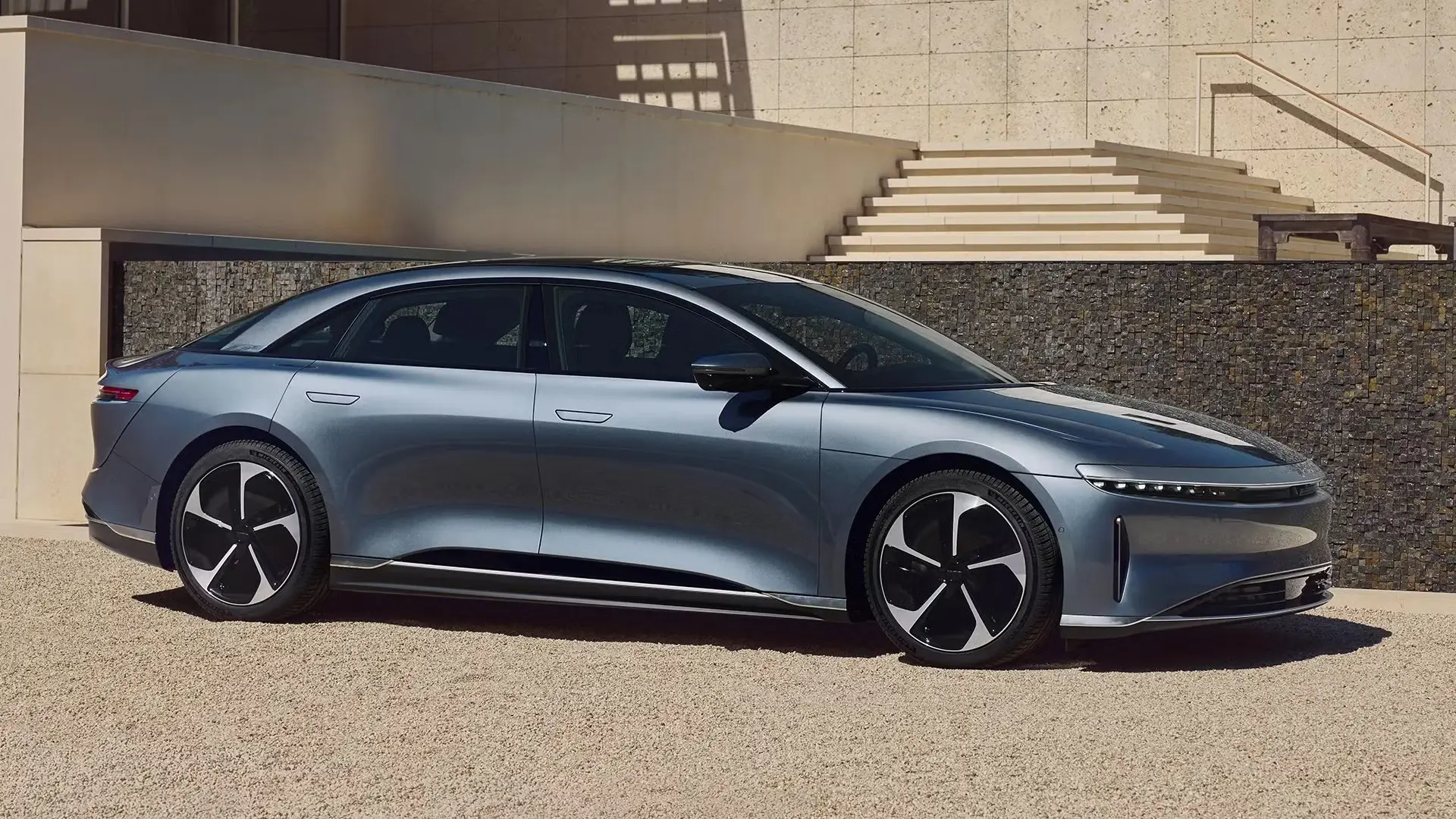
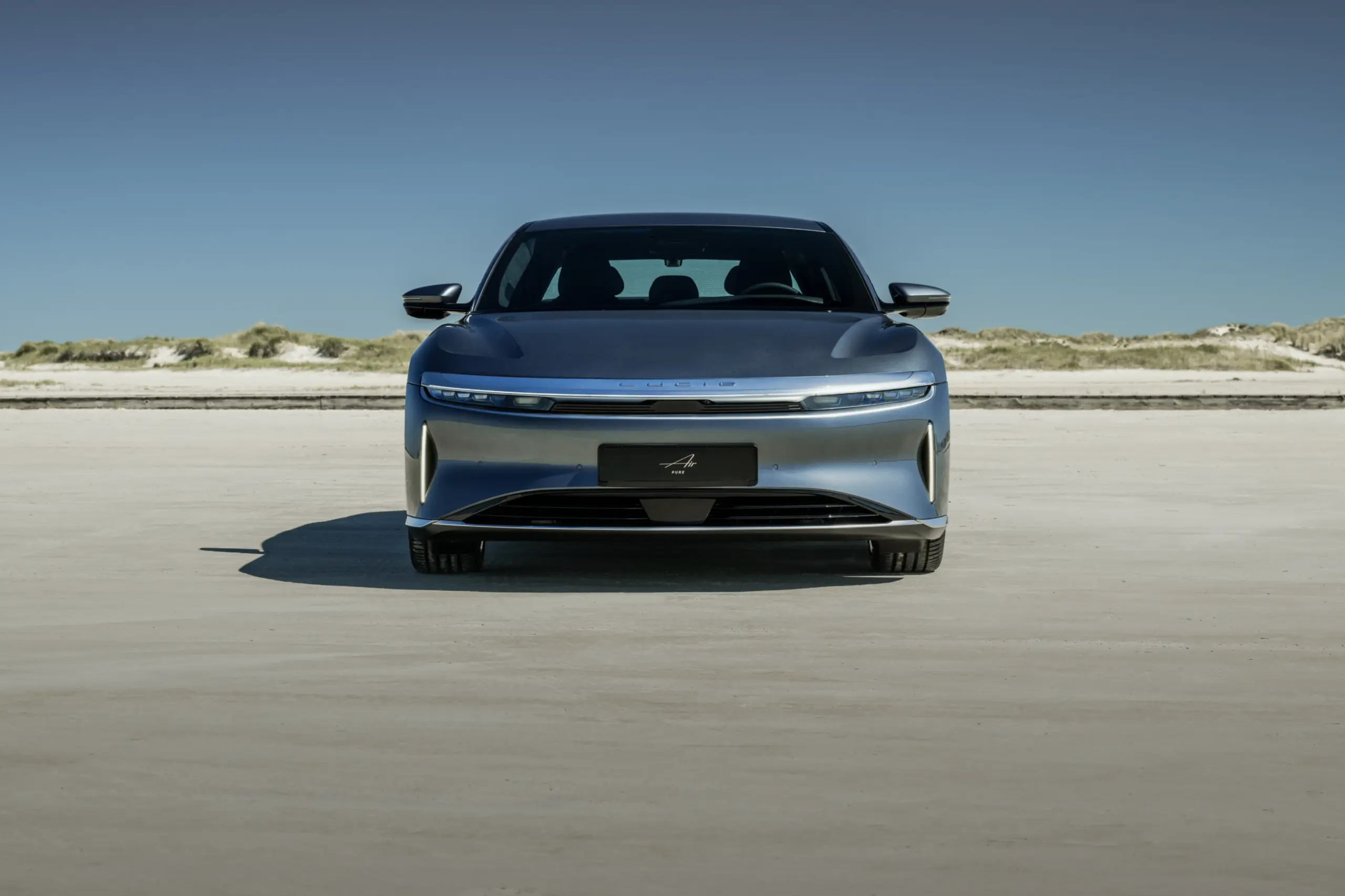
The Electric Vehicle Revolution: A Shift Towards Sustainability

Introduction
The electric vehicle (EV) market is rapidly evolving, reflecting a crucial shift towards sustainability and modern technology. With increasing concerns about climate change, emissions, and the future of energy consumption, the relevance of electric vehicles cannot be overstated. As governments around the world push for reduced fossil fuel dependence, the electric vehicle industry stands at the forefront of this transformation.
Current Trends in Electric Vehicles
Recent reports indicate that worldwide sales of electric vehicles surged to a record 10.5 million units in 2022, a 55% increase compared to the previous year. Major markets include China, Europe, and the United States. In the U.S., EV sales climbed to over 6% of the overall auto market in 2023, showing a steady upward trajectory. Nearly every major automobile manufacturer is now investing heavily in electric technology, with brands like Tesla leading the charge alongside traditional manufacturers like Ford and General Motors.
Government Initiatives and Incentives
Many governments are offering substantial incentives to encourage EV adoption. Tax credits, rebates, and cheaper registration fees make electric vehicles more accessible. The Biden administration’s infrastructure plan includes a substantial investment in EV charging stations, aiming to enhance the national charging network to make long-distance travel feasible. This initiative is expected to further boost consumer confidence in electric vehicles, facilitating greater market penetration.
Challenges and Considerations
Despite the positive trends, challenges remain. The production and disposal of lithium-ion batteries raise environmental concerns, while charging infrastructure is still not widespread enough to meet growing demand. Additionally, concerns about range anxiety persist among potential buyers. However, advancements in battery technology and an increase in charging stations are slowly alleviating these issues.
Conclusion
The ongoing shift towards electric vehicles signifies a promising transition towards cleaner energy and sustainable transportation. As automakers innovate and governments create supportive policies, the electric vehicle market is poised for continued growth. Looking ahead, EVs are expected to become increasingly affordable and accessible, which may lead to a tipping point where electric cars dominate the automotive landscape. Adopting electric vehicles is not just a trend; it is a vital step towards a more sustainable future that benefits both consumers and the planet.