Celebrating Chinese New Year: Traditions and Significance
Introduction to Chinese New Year
Chinese New Year, also known as Lunar New Year or Spring Festival, is one of the most important traditional festivals in China and among Chinese communities around the world. With roots dating back over 4,000 years, it marks the beginning of a new lunar calendar year following the cycle of the moon. The festival symbolizes new beginnings, family reunions, and the hope for good fortune in the year ahead.
Traditions and Celebrations
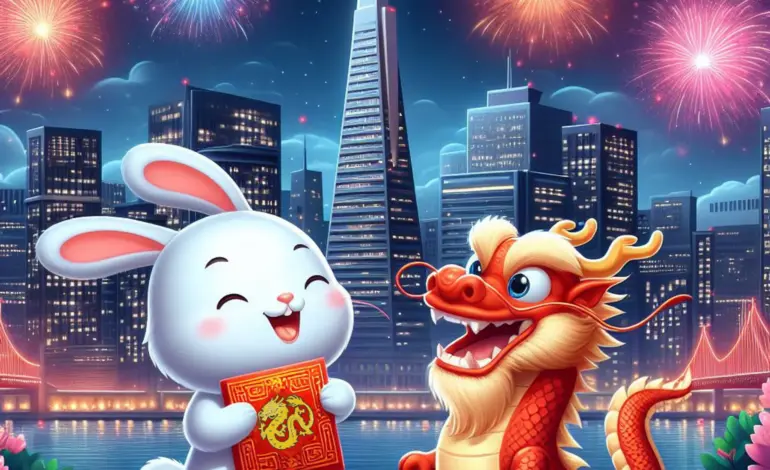
In 2023, Chinese New Year falls on January 22, initiating the Year of the Rabbit, a symbol of peace and prosperity. Traditions during the festival are rich and varied, including family gatherings, elaborate meals, and annual rituals. One of the most recognizable customs is the giving of red envelopes (hongbao) that contain money, signifying good luck and prosperity. Homes are often decorated with red lanterns and banners, which are believed to ward off evil spirits and attract good fortune.
The celebration lasts for 15 days, culminating in the Lantern Festival, when thousands of colorful lanterns are released into the night sky, illuminating towns and cities. Festive foods play a central role during this time; dishes such as dumplings, fish, and rice cakes are prepared, each with symbolic meanings related to wealth, abundance, and family unity.
Global Impact and Celebrations
As the Chinese diaspora has spread worldwide, Chinese New Year festivities have also gained prominence in various countries. Major cities like San Francisco, New York, and London host vibrant parades featuring lion dances, cultural performances, and fireworks, attracting thousands of spectators and fostering cultural exchange. In 2023, many communities are foreseeing larger turnout this year, as restrictions due to the pandemic are relaxed, allowing for a more vibrant celebration.
Conclusion
Chinese New Year serves as an essential reminder of the importance of family, cultural heritage, and the universal hope for prosperity and happiness. As it continues to be celebrated globally, it fosters understanding and appreciation for Chinese traditions. Looking ahead, the themes of renewal and optimism resonate profoundly, particularly in a world that has faced unprecedented challenges. Celebrations in the Year of the Rabbit are anticipated to bring blessings and joy to many as people unite in tradition and love.