Understanding Freezing Rain: Impacts and Safety Tips
Introduction to Freezing Rain
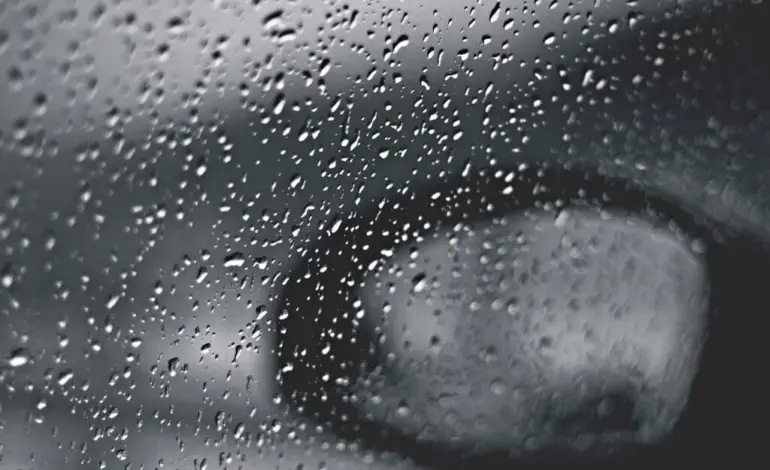
Freezing rain is a significant meteorological phenomenon that can lead to dangerous conditions, especially in winter months. This weather event occurs when liquid rain droplets freeze upon contact with cold surfaces, creating a glaze of ice. Its relevance grows as the United States experiences more severe weather events, raising concerns about safety and infrastructure.
How Freezing Rain Forms
Freezing rain typically forms in a temperature inversion scenario where warm air lingers above a shallow layer of cold air at the surface. According to the National Weather Service, when precipitation falls from the warm air aloft, it can briefly remain in liquid form. As these droplets descend and encounter the freezing layer, they become supercooled and freeze instantly on contact with surfaces such as roads, trees, and power lines.
Impacts of Freezing Rain
The effects of freezing rain can be far-reaching and damaging. It can create perilous road conditions, leading to numerous vehicle accidents during winter storms. In addition, the accumulation of ice on trees and electrical infrastructure can result in power outages and falling tree limbs, posing risks to both people and property. The Federal Emergency Management Agency (FEMA) reports that freezing rain contributes significantly to winter weather-related casualties each year.
Safety Measures During Ice Storms
When warnings of freezing rain are issued, it is essential for individuals to take proactive measures to ensure safety. Here are some recommendations:
- Avoid Travel: If possible, stay home during freezing rain events to avoid hazardous road conditions.
- Prepare Emergency Kits: Stock up on supplies, including food, water, and flashlights in case of power outages.
- Stay Informed: Monitor weather updates and alerts to remain aware of changing conditions.
- Protect Property: Trim overhanging tree branches, and secure loose items in outdoor areas to minimize damage from falling ice.
Conclusion
Understanding what freezing rain is and its potential effects is critical for public safety. As climate patterns change, the frequency and intensity of such weather events may increase, making awareness and preparedness more vital than ever. By following safety guidelines and remaining vigilant during winter storms, individuals can mitigate risks associated with freezing rain.