The Rise of Non-Fungible Tokens: What You Need to Know
Introduction
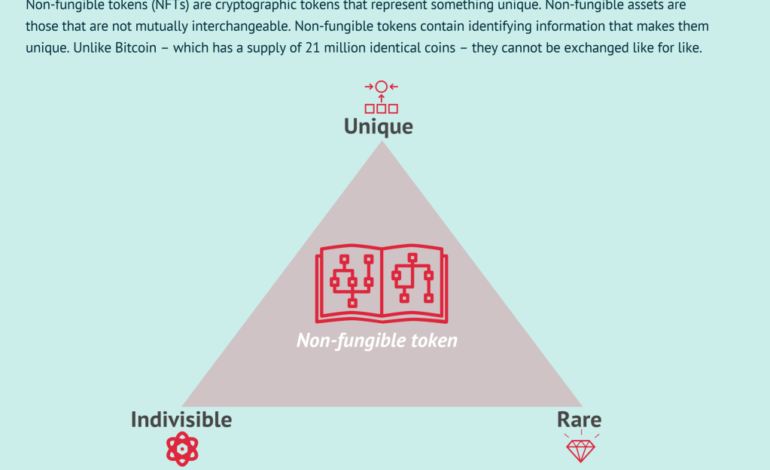
Non-fungible tokens (NFTs) have quickly become a mainstay in the digital landscape, revolutionizing the way we think about ownership and value in the digital realm. Unlike traditional cryptocurrencies like Bitcoin or Ethereum, which are fungible and can be exchanged for one another, NFTs represent unique digital assets that cannot be replicated. This uniqueness has allowed artists, gamers, and content creators to monetize their work in innovative ways, making NFTs a significant topic in discussions about the future of digital commerce and art.
The Current Landscape of NFTs
Since exploding in popularity in early 2021, the NFT market has seen a tremendous amount of growth, with sales reaching staggering figures. According to a report by NonFungible.com, the NFT market hit over $2.5 billion in sales in Q1 2021 alone, making it one of the fastest-growing segments in the digital economy. Major auction houses like Christie’s and Sotheby’s have also started to auction NFTs, with high-profile digital art pieces selling for millions of dollars, such as Beeple’s “Everydays: The First 5000 Days,” which sold for $69 million.
Besides art, NFTs have made their mark in the gaming industry, with platforms like Axie Infinity allowing users to earn, trade, and breed unique virtual creatures, all represented as NFTs. The allure of owning a unique piece of gaming content and the potential for financial gain has drawn in players and investors alike.
Challenges and Future Outlook
Despite the excitement surrounding NFTs, the market faces significant challenges. Issues around copyright, environmental concerns related to blockchain technology, and market volatility have raised questions about the long-term sustainability and practicality of NFTs. Critics argue that many NFT projects lack real utility, and the inflated prices may lead to a speculative bubble.
Looking to the future, experts suggest that as technology evolves, NFTs may become more integrated into various sectors, from fashion and music to sports and real estate. Companies are exploring NFTs for digital identity verification, ticket sales for events, and other applications that demonstrate utility beyond simple ownership.
Conclusion
Non-fungible tokens represent a fascinating intersection of technology, creativity, and economics. As the world continues to lean into digital experiences, understanding NFTs becomes increasingly important for consumers, creators, and investors alike. Whether you choose to embrace or critique this technological trend, the implications of NFTs will likely shape the future of digital ownership and commerce for years to come.