The Rise and Impact of Red Bull in the Energy Drink Market
Introduction
Red Bull has become synonymous with energy drinks since it burst onto the scene in the 1980s. Its unique marketing strategies and iconic branding have not only propelled its own growth but also transformed consumer expectations from energy beverages. With the ongoing increase in demand for energy drinks, understanding Red Bull’s influence is crucial for both consumers and competitors in the beverage industry.
History and Development
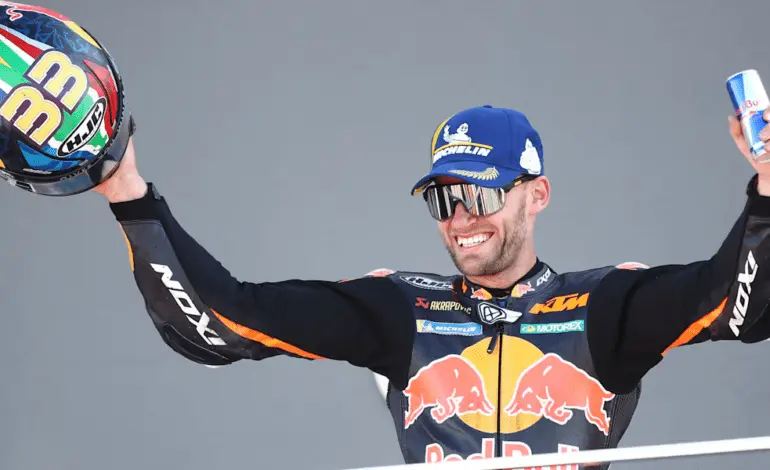
Founded in 1984 by Dietrich Mateschitz and Chaleo Yoovidhya, Red Bull took inspiration from a Thai energy drink called Krating Daeng. By adapting it for Western tastes and focusing on a high-energy lifestyle through aggressive marketing campaigns, Red Bull created a niche market that was virtually non-existent at the time. The brand’s innovative approach included sponsoring extreme sports events and athletes, positioning itself as a lifestyle choice for the active and adventurous.
Market Presence
As of 2023, Red Bull maintains a dominant presence in the energy drink industry, holding approximately 40% of the global market share. The company reported over 9.8 billion cans sold worldwide last year alone. This success stems from its continuous product innovation, such as the introduction of sugar-free options and various flavor profiles. Moreover, Red Bull has successfully expanded its brand through media ventures featuring sports and entertainment, further embedding itself in the consumer culture.
Impact on the Energy Drink Industry
Red Bull has set industry standards in various ways, from marketing strategies to product formulation. Its focused advertising campaigns emphasize the connection between energy drinks and athletic performance, which has led to a surge in both sales and competition. Other brands have emerged, trying to replicate Red Bull’s success by creating similar products, indicating a significant change in consumer behavior and preferences towards energy beverages. The company has also faced scrutiny over health issues associated with energy drinks, compelling it to engage in discussions about responsible consumption and regulation.
Conclusion
Red Bull’s impact extends far beyond just energy drinks; it has reshaped the way consumers perceive energizing beverages and induced a global trend towards increased consumption of functional drinks. As the company continues to innovate and adapt to changing market conditions, its leadership role in the beverage industry seems assured. For consumers, understanding the implications of energy drinks and their effects can promote more informed choices in their diets. The future of Red Bull will likely revolve around sustainability and health-conscious options, as the industry moves towards a more responsible approach to energy products.