The Common Cold: Symptoms, Causes, and Prevention

Introduction
The common cold is one of the most prevalent illnesses affecting millions each year. As we transition into the cooler months, the likelihood of catching a cold increases, making it crucial to understand its symptoms, causes, and prevention strategies. The significance of this topic lies not only in its frequency but also in its implications for public health and productivity.
What Causes the Common Cold?
The common cold is primarily caused by viruses, with rhinoviruses being the most common culprits. These viruses are easily transmitted through respiratory droplets when an infected person coughs or sneezes, or by touching surfaces contaminated with the virus and then touching the face.
Symptoms to Watch For
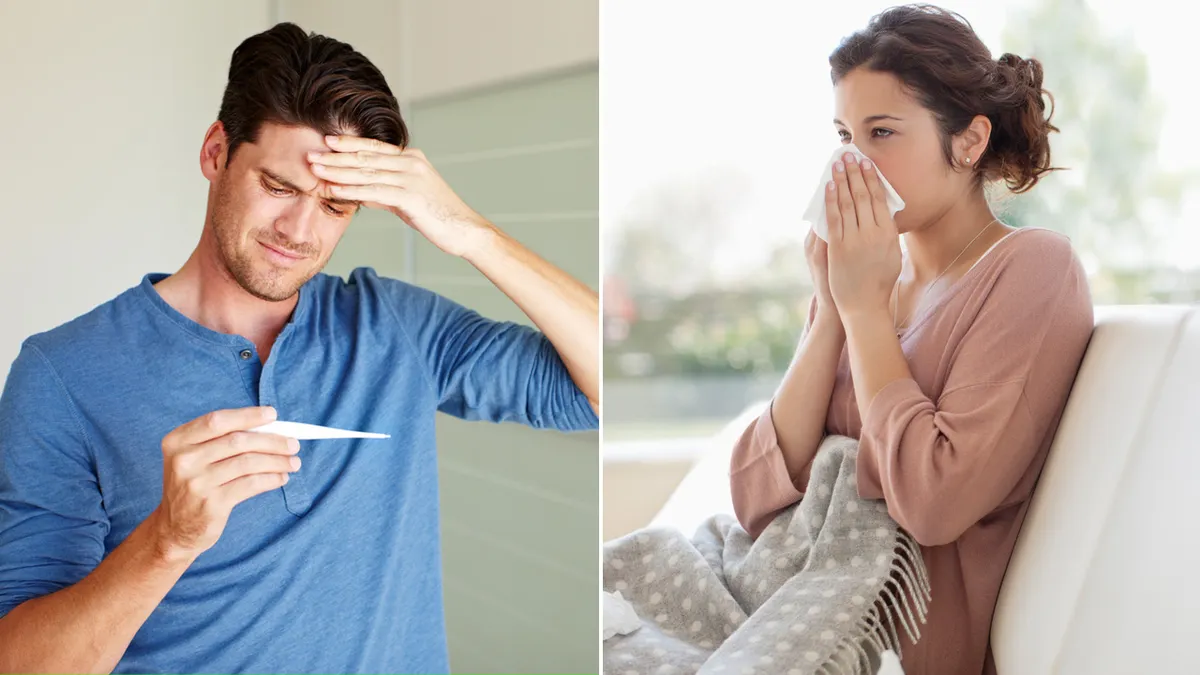
Typical symptoms of a cold include:
- Runny or stuffy nose
- Sore throat
- Coughing
- Sneezing
- Fatigue
- Low-grade fever
While colds are usually mild, they can lead to more serious health issues, particularly in vulnerable populations like young children, the elderly, and those with weakened immune systems.
Recent Trends and Statistics
According to the Centers for Disease Control and Prevention (CDC), adults catch two to three colds a year on average, while children may experience even more. In recent months, hospitals have reported a rise in respiratory illness cases, raising concerns about healthcare capacity as colder weather sets in. It is important to note that while colds are common, they share symptoms with more serious illnesses, which raises the need for proper diagnosis.
Prevention Techniques
Preventing the common cold involves several strategies:
- Regular hand washing with soap and water
- Avoiding close contact with sick individuals
- Utilizing hand sanitizers when soap is unavailable
- Maintaining a healthy lifestyle that supports the immune system, including a balanced diet, adequate sleep, and regular exercise
Conclusion
Understanding the common cold is essential as it not only aids in mitigating its spread but also helps individuals take proactive measures in protecting their health. While colds are usually self-limiting and resolve within a week, being informed can empower individuals to minimize risk factors and seek medical attention if needed. As we prepare for the cold months ahead, incorporating these preventive measures can significantly impact public health outcomes and reduce the overall burden of respiratory infections.