Exploring the Vibrant Culture and Heritage of Casablanca
Introduction
Casablanca, the largest city in Morocco, holds a remarkable significance as the country’s economic and business hub. With its stunning architecture, bustling markets, and rich history, Casablanca is not only a melting pot of cultures but also a major center of tourism in North Africa. Understanding its multifaceted identity is essential for anyone interested in global cities and their impacts on culture and economy.
The Growth of Casablanca
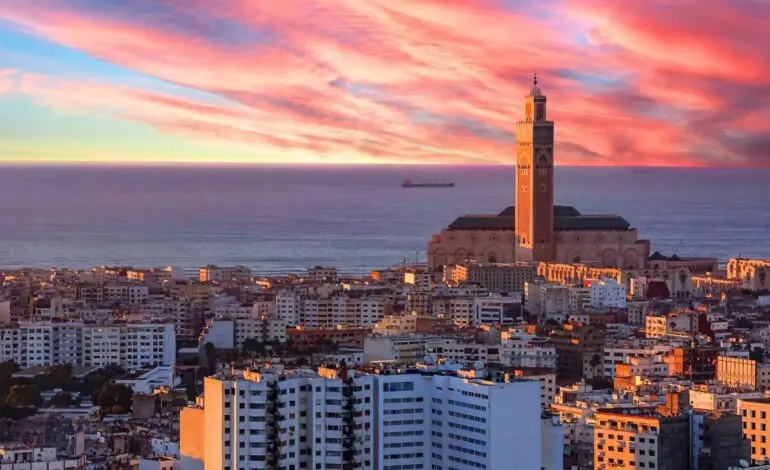
Casablanca’s history dates back to the 7th century when it was originally a Berber settlement. The city underwent significant transformation during the French colonial period in the early 20th century, evolving into a modern urban center. Today, it boasts a population of over 3.7 million, making it one of the most populous cities in Africa. Key landmarks such as the Hassan II Mosque—one of the largest mosques in the world—showcase a fusion of traditional Moroccan architecture and modern design, attracting millions of visitors every year.
Recent Developments and Challenges
In recent years, Casablanca has seen significant investment in infrastructure and development projects aimed at modernizing the city and improving its global standing. Initiatives such as the Casablanca Finance City project aim to position the city as an attractive financial hub for international businesses. However, despite these advancements, Casablanca faces challenges, including urbanization, pollution, and unemployment. Addressing these issues will be crucial for its sustainable growth.
Cultural Significance and Attractions
The cultural tapestry of Casablanca is as vibrant as its economy. The city is famous for its diverse cuisine, which reflects a blend of Moroccan, Arabic, and French influences. Visitors can explore the historical medina, the Royal Palace, and various art galleries that showcase local talent. Additionally, the popular coastal area of Ain Diab serves as a bustling seaside resort, further drawing tourists to the city. Events like the Casablanca International Film Festival highlight the city’s role as a cultural beacon in the region.
Conclusion
Casablanca stands as a testament to Morocco’s unique heritage and its dynamic future. As the city continues to develop and navigate the complexities of modernization, it remains a crucial point of interest for travelers and researchers alike. Understanding Casablanca’s dual identity as both an economic powerhouse and a cultural hub will help shape its path forward, ensuring that it retains its historical significance while embracing innovation.