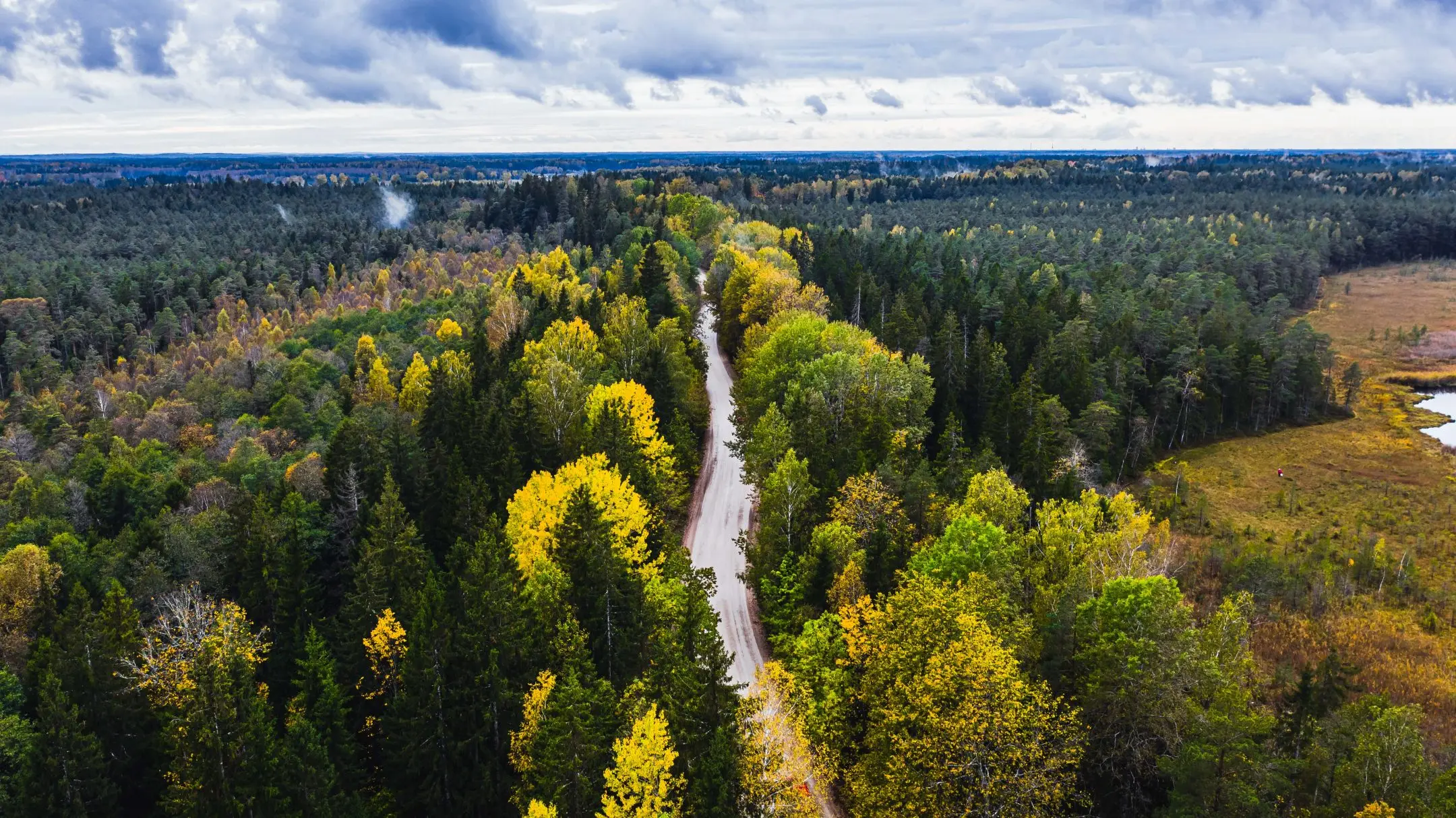
Discovering Costa Rica: The Jewel of Central America

The Importance of Costa Rica
Costa Rica, a small yet diverse country in Central America, is renowned for its incredible biodiversity, stunning landscapes, and progressive environmental policies. With approximately 25% of its land designated as protected areas, Costa Rica has become a global leader in eco-tourism and conservation efforts. As the nation grapples with the impacts of climate change and global tourism trends, understanding its ecological significance and recent developments is of paramount importance for travelers, conservationists, and policymakers alike.
Recent Developments in Eco-Tourism
In 2023, Costa Rica has seen a resurgence in eco-tourism as international travel continues to rebound post-pandemic. Data shows that tourist arrivals have increased by over 30% compared to the previous year, with many visitors drawn to the country’s rich natural resources and protective measures for wildlife. National parks like Corcovado and volcanos such as Arenal have become hot spots for nature lovers and adventure seekers, offering activities ranging from rainforest hikes to zip-lining through the treetops.
Conservation Initiatives
In an effort to combat climate change and preserve its natural beauty, Costa Rica has implemented several forward-thinking policies. The government’s ambitious goal of becoming carbon neutral by 2025 reflects an ongoing commitment to renewable energy, with over 99% of the country’s electricity derived from renewable sources. Notable initiatives include reforestation programs and support for sustainable agriculture aimed at reducing deforestation and promoting biodiversity.
Community Impact
The focus on eco-tourism and sustainable practices also plays a crucial role in local communities. Many indigenous and local populations have begun to benefit from ethical tourism practices, allowing them to engage in cultural exchange while generating income through guided tours or craft markets. This not only fosters respect for local customs but also boosts the economy while preserving valuable ecosystems.
Conclusion: A Model for Sustainable Tourism
As Costa Rica continues to embrace sustainable practices and attract global tourists, its role as a model for eco-friendly tourism is clearer than ever. The country’s unique combination of breathtaking natural beauty, diverse wildlife, and developed conservation efforts makes it a significant player in the global discussion about environmental sustainability. Future visitors and interested parties should pay close attention to how Costa Rica navigates the balance between tourism and conservation as it looks to preserve its treasures while sharing them with the world.