Discover Lithuania: Culture, History, and Natural Beauty

Introduction
Lithuania, a country nestled in the heart of the Baltic region, is increasingly gaining recognition for its unique blend of rich history, vibrant culture, and stunning natural landscapes. With its strategic location bordering Latvia, Belarus, Poland, and the Baltic Sea, Lithuania has played a significant role in European history and continues to be a pivotal player in regional politics and economics. The country’s recent advancements and investments in tourism also highlight its importance as a travel destination for those seeking an authentic European experience.
Historical Background
Lithuania boasts a fascinating history that dates back over a thousand years. Its rise as a powerful Grand Duchy in the 14th century, which became one of the largest countries in Europe, set the stage for cultural exchange and development. The country’s complex past includes periods of ownership by various states and empires, leading to a rich tapestry of cultural influences. Lithuania regained its independence from the Soviet Union in 1990 and has since embraced European integration, becoming a member of the European Union and NATO in the early 2000s.
Cultural Significance
The heart of Lithuania’s charm lies within its culture. The capital city, Vilnius, is recognized for its well-preserved medieval architecture and has been listed as a UNESCO World Heritage Site. The city is home to numerous festivals, theaters, and galleries, reflecting the nation’s artistic spirit. Traditional folk music and dance continue to thrive, showcasing the Lithuanian love for its roots. Furthermore, the vibrant culinary scene, featuring both traditional dishes like cepelinai (potato dumplings) and modern cuisine, adds depth to the cultural experience.
Navigating Natural Wonders
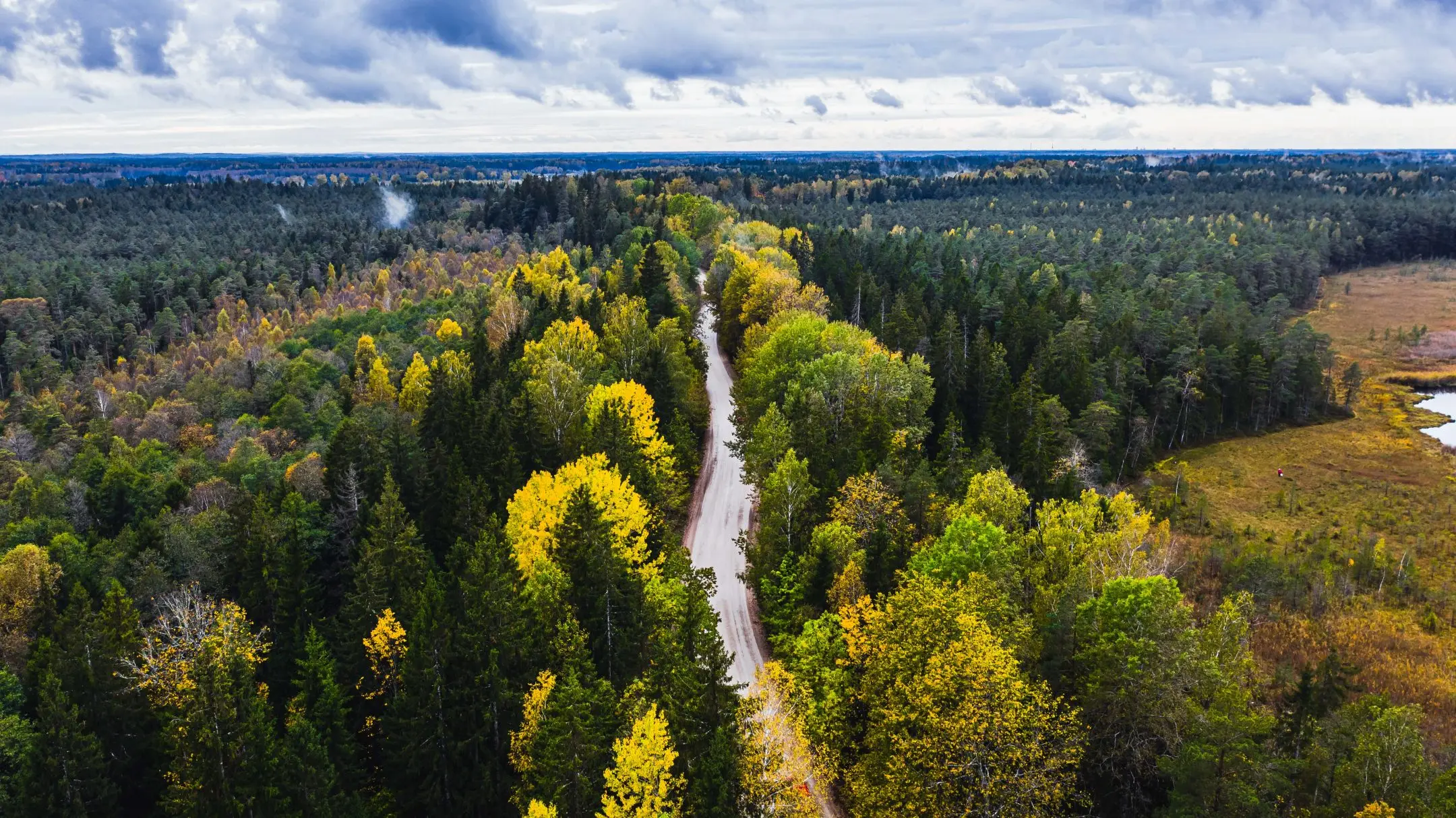
Lithuania also offers a diverse landscape, ranging from lush forests to beautiful beaches. The Curonian Spit, a UNESCO World Heritage Site, is famous for its unique sand dunes and rich biodiversity, drawing nature lovers and outdoor enthusiasts alike. Additionally, the country’s numerous national parks provide a sanctuary for wildlife and an opportunity for hiking, camping, and exploring.
Conclusion
As Lithuania continues to develop as a travel destination, it is clear that this Baltic gem offers a wealth of experiences for visitors. Its rich history, cultural vibrancy, and stunning natural beauty make it a significant place on the map for travelers seeking unique adventures. Looking forward, Lithuania is poised to enhance its tourism infrastructure and promote its heritage, ensuring that it remains a prominent player in Europe and beyond for years to come.