Understanding the Growth and Demographics of the US Population
Introduction
The US population is a vital indicator of the country’s socio-economic health and development. As of 2023, the population of the United States is estimated to be over 333 million, making it the third-most populous country in the world. Understanding the trends and shifts within this population is crucial for policymakers, businesses, and researchers alike as they address growth challenges and opportunities that arise.
Current Population Statistics
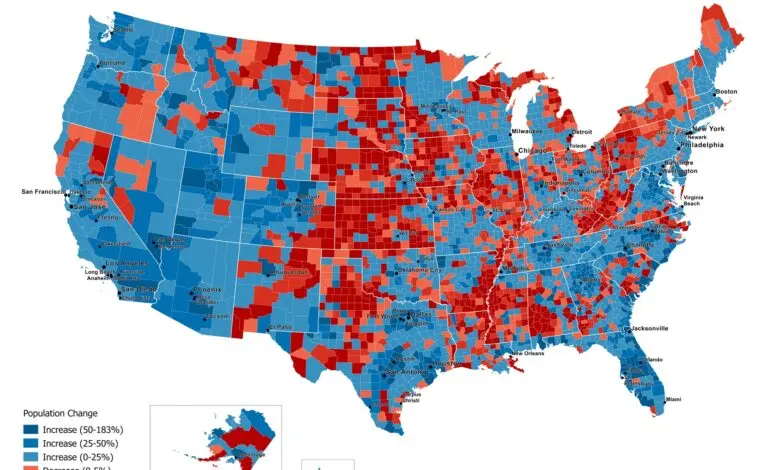
Recent estimates from the U.S. Census Bureau indicate a steady growth rate, though it has slowed in the past decade compared to earlier years. The population grew by approximately 0.1% between 2022 and 2023, reflecting a deceleration in growth. Various factors contribute to this trend, including lower birth rates, increased mortality during the pandemic, and shifting migration patterns. In 2022, the birth rate in the United States dropped to 11.4 births per 1,000 people, the lowest it has been in years.
Demographic Changes
Demographic shifts are also noteworthy. The Census Bureau reports an increasingly diverse population, with Hispanic and Asian communities growing at a faster rate than other groups. By 2045, it’s projected that racial and ethnic minorities will comprise more than half of the U.S. population. This diversification brings significant implications for governance, education, and economic opportunities.
Implications of Population Trends
The implications of these population trends are wide-ranging. A slower growth rate may lead to labor shortages in various sectors, while a growing elderly population presents challenges for healthcare and social services. Cities like San Francisco and New York may experience shifts in housing demands and infrastructure needs as populations fluctuate. Additionally, with more people living in urban areas, local governments are tasked with addressing issues such as traffic congestion, housing affordability, and environmental sustainability.
Conclusion
In conclusion, the US population continues to evolve, and its dynamics shape many aspects of American life. Understanding these trends is essential for effective planning and policy-making in the coming years. As the nation moves forward, stakeholders are encouraged to engage with population data to foresee challenges and harness potential opportunities, enabling a balanced and equitable future for all its residents.