The Role of the IMF in Current Global Economic Challenges
Introduction
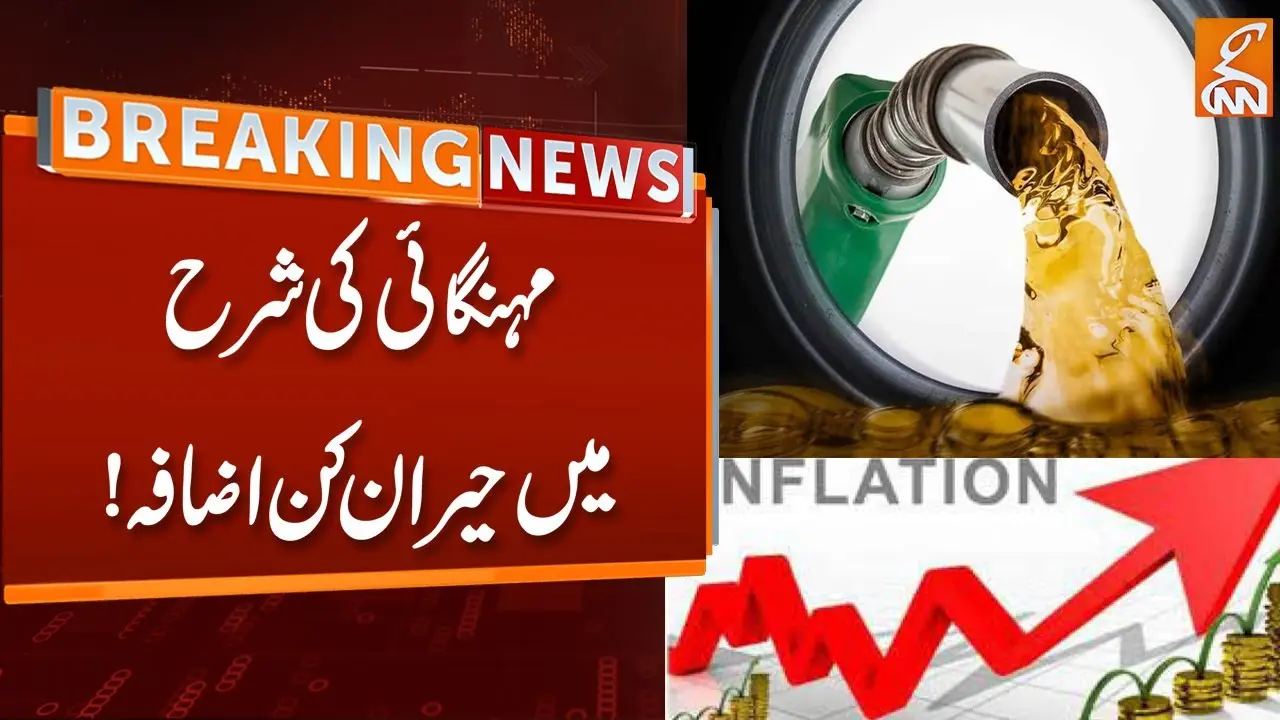
The International Monetary Fund (IMF) plays a critical role in maintaining global financial stability, providing necessary financial support, and promoting economic cooperation among countries. As the world faces looming economic uncertainties, including inflation and energy crises, the relevance of the IMF has never been more profound. Its recent actions demonstrate its central position in addressing these challenges.
Current Events and IMF Actions
In October 2023, the IMF released its latest World Economic Outlook, projecting a cautious recovery in global GDP growth amid continuing inflationary pressures and rising interest rates. The organization warned that many economies, especially in developing nations, are at risk of stagnation due to high debt levels and slowed demand.
In response, the IMF has been actively engaging with member countries to tailor financial aid packages. Recent examples include a $2 billion support program for Sri Lanka, which is facing severe economic distress, and assistance to various African nations grappling with escalating food prices and energy shortages resulting from geopolitical tensions.
Moreover, the IMF has emphasized the importance of international cooperation to address systemic financial risks. It has convened meetings with global financial leaders, advocating for coordinated fiscal responses to mitigate the effects of rising commodity prices and supply chain disruptions.
Conclusion: The Future of Global Economic Stability
The significance of the IMF’s role cannot be overstated as countries navigate these turbulent economic waters. Looking ahead, the IMF is expected to enhance its surveillance and advisory functions, adapting its strategies to support economic resilience in a changing landscape. The organization will likely focus on building frameworks for digital currencies and improving the inclusivity of financial systems worldwide.
In conclusion, as the IMF continues to provide guidance and support, its actions will be pivotal in shaping a more stable and sustainable global economy. Stakeholders and citizens alike should stay informed about these developments, given their potential impact on individual countries and the global financial system as a whole.