The Critical Role of Incident Response Plans in Business Security
Understanding Incident Response Plans
In today’s digital age, the alarming rise in cyber threats necessitates that businesses, regardless of size, implement effective incident response plans (IRPs). These plans are essential for ensuring that organizations can swiftly address and mitigate the impact of security incidents such as data breaches, ransomware attacks, and other cyber threats.
Why Incident Response Plans Matter
The importance of incident response plans lies in their ability to minimize downtime and protect sensitive information. A survey by IBM Security found that data breaches cost companies an average of $4.24 million in 2021, highlighting the financial repercussions of inadequate cyber preparedness. Implementing a robust IRP allows businesses to establish protocols that clarify roles and responsibilities, streamline communication, and coordinate investigations.
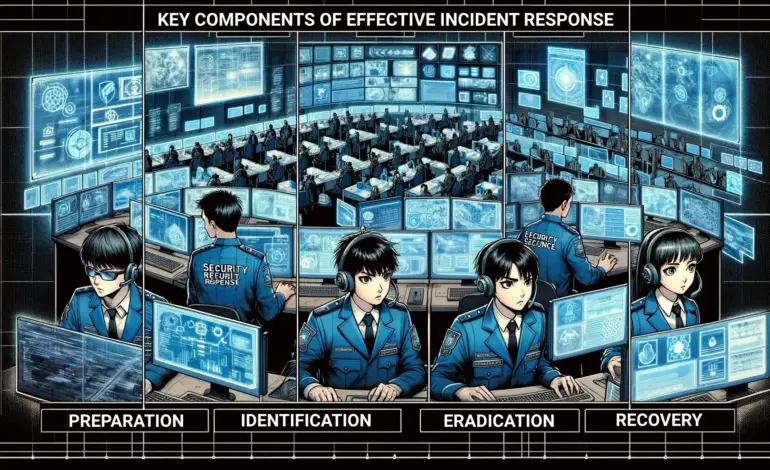
Key Components of an Effective IRP
An effective incident response plan typically consists of several key components:
- Preparation: Organizations must conduct risk assessments to identify potential threats and vulnerabilities. Training staff and running mock drills can enhance overall readiness.
- Detection and Analysis: This includes real-time monitoring to identify potential incidents. Analyzing alerts promptly helps determine the nature and severity of the threat.
- Containment: Once a threat is detected, rapid containment measures are essential to prevent further damage. This may involve isolating affected systems or taking them offline.
- Eradication: After containment, organizations must eliminate the cause of the incident, whether malware removal or patching vulnerabilities.
- Recovery: Restoring affected systems and ensuring that services are back online safely is critical. This stage often includes validating that systems are secure before resuming normal operations.
- Post-Incident Review: Assessing the incident’s response effectiveness helps in refining the IRP. Lessons learned from incidents can inform future preparedness efforts.
Recent Trends in Incident Response Planning
The increasing sophistication of cyber threats has led to the evolution of incident response strategies. Many organizations are incorporating advanced technologies, such as artificial intelligence (AI) and machine learning, to enhance their detection and response capabilities. Moreover, cloud-based solutions allow for real-time data collection and analysis, enabling companies to respond to incidents with speed and accuracy.
Conclusion
In an era where cyber threats are an ever-present danger, having a comprehensive incident response plan is not just advisable; it is essential. Organizations that invest in developing and refining their IRPs significantly enhance their resilience against breaches, ensuring the protection of their data, financial stability, and, ultimately, their reputation. As technological landscapes continue to change, businesses must remain vigilant and adaptive in their incident response strategies.