Exploring Vietnam: Culture, Economy, and Tourism
Introduction
Vietnam, a vibrant country located in Southeast Asia, is gaining considerable attention on the global stage due to its rich history, dynamic culture, and rapid economic growth. As it continues to evolve and modernize, Vietnam has become an attractive destination for tourists and investors alike. Understanding Vietnam’s importance can provide insight into its potential as a significant player in the international arena.
Cultural Richness
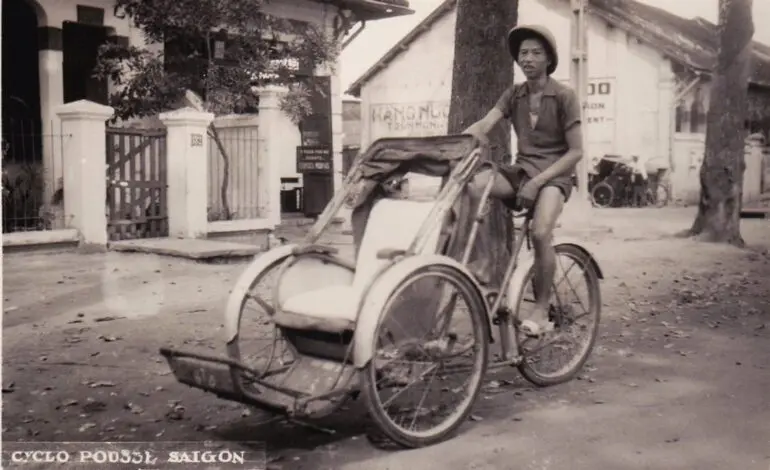
Vietnam boasts a unique blend of traditions, influenced by its long history and various cultures. The country is renowned for its distinct cuisine, characterized by dishes like Pho and Banh Mi, which reflect regional diversity. Major cities such as Hanoi and Ho Chi Minh City are cultural hubs, showcasing stunning architecture, vibrant markets, and historic temples. Festivals like Tết, the Lunar New Year, highlight the country’s rich heritage and community spirit, attracting visitors from around the world.
Economic Development
In recent years, Vietnam has emerged as one of the fastest-growing economies in Southeast Asia, driven by robust manufacturing and technology sectors. According to the International Monetary Fund (IMF), Vietnam’s GDP growth rate is projected to remain over 6% for the coming years. The country’s strategic location and favorable trade agreements, including the Comprehensive and Progressive Agreement for Trans-Pacific Partnership (CPTPP), have facilitated an influx of foreign investment. Additionally, the Vietnamese government is actively encouraging innovation and entrepreneurship, further boosting the economy.
Tourism Boom
Tourism has become a cornerstone of Vietnam’s economic strategy, with the government aiming to attract 18 million international visitors by 2025. Natural wonders like Ha Long Bay, historical sites like the ancient town of Hoi An, and vibrant nightlife in cities like Nha Trang are drawing tourists to its shores. The COVID-19 pandemic did impact the tourism sector; however, with the reopening of borders, Vietnam is revamping its tourism initiatives to ensure a safe and enjoyable experience for visitors.
Conclusion
Vietnam’s trajectory in the 21st century is marked by cultural vibrancy, economic resilience, and an expanding tourism sector. As the country fosters international relationships and continues to innovate, it is poised for significant growth and influence in Southeast Asia. For travelers and investors, Vietnam presents a plethora of opportunities waiting to be explored. In a global context, understanding Vietnam’s evolution helps in comprehending broader geopolitical dynamics as it becomes an increasingly vital player on the world stage.