Exploring the Cultural and Economic Significance of Guangzhou
Introduction
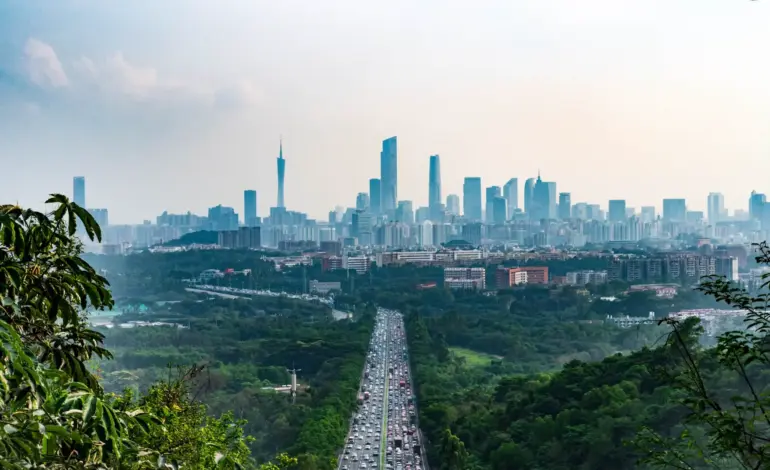
Guangzhou, the capital of Guangdong Province in southern China, is one of the country’s largest and most important cities. Known for its rich history dating back over 2,200 years, Guangzhou is not only a cultural hub but also a major economic center in the Pearl River Delta region. With its strategic location, thriving trade activities, and vibrant traditions, the city has become increasingly relevant in both national and international contexts.
Historical Significance
Historically, Guangzhou has been a significant port city and a pivotal center for trade, particularly during the Maritime Silk Road era. It was an early point of contact between China and the West, leading to its cultural amalgamation. Today, remnants of its rich history are visible in various landmarks such as the Chen Clan Ancestral Hall and the iconic Canton Tower, which stand as testaments to the city’s architectural diversity.
Economic Development
In recent years, Guangzhou has emerged as a powerhouse in China’s fast-growing economy, hosting numerous Fortune 500 companies and international businesses. As a direct result of its economic policies and investments, it has become a leader in several industries including manufacturing, technology, and finance. In 2022, the city’s GDP reached 2.69 trillion yuan (approximately 420 billion USD), showcasing its crucial role in the national economy.
Modern Advances and Global Presence
Guangzhou has adapted to modern challenges while maintaining its historical charm. The city is recognized for its extensive public transportation system, including high-speed trains and metro lines that connect various parts of the region effectively. Additionally, it hosts the biennial Canton Fair, the largest trade fair in China, attracting businesses and visitors globally, evidence of its significant role in international trade.
Cultural Diversity
The city’s blend of tradition and modernity is also reflected in its rich cultural scene. From Cantonese opera to vibrant culinary offerings, Guangzhou is known for its diverse food culture. The city is famous for dishes such as dim sum and wonton noodles, which draw food enthusiasts from around the world. Festivals like the Lantern Festival and the Dragon Boat Festival further highlight the city’s cultural richness and its enthusiasm for preserving traditions.
Conclusion
In summary, Guangzhou stands as a key player on the global stage, both as a historical city with deep cultural roots and as an economic powerhouse contributing significantly to China’s growth. As the city continues to evolve, its blend of history, culture, and modern advancements will undoubtedly make it a focal point of interest for both tourists and businesses alike. With ongoing developments and the government’s focus on innovation, Guangzhou’s significance is likely to increase in the years to come.