What to Expect from the Polar Vortex Split Forecast
Introduction
The polar vortex, a large area of low pressure and cold air surrounding the Earth’s poles, plays a critical role in regulating winter weather patterns across the Northern Hemisphere. Recently, meteorologists have indicated that a split in the polar vortex may occur this winter, leading to significant shifts in climate and weather conditions in the United States. Understanding this phenomenon is essential for predicting extreme winter weather events, such as severe cold spells and heavy snowfall.
What is the Polar Vortex?
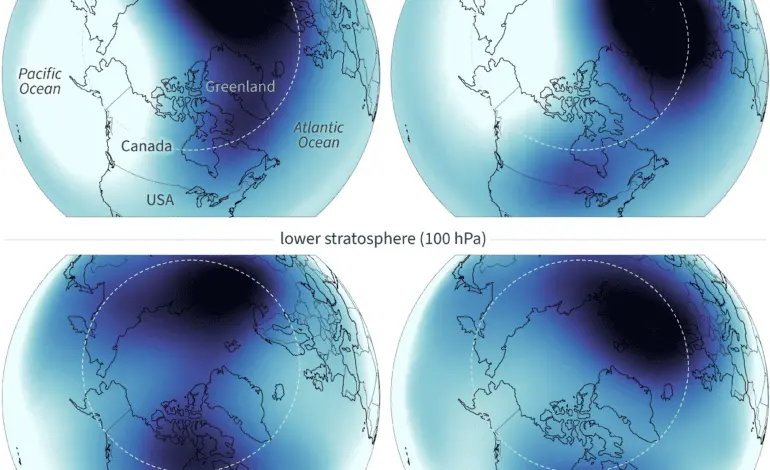
The polar vortex consists of a counterclockwise flow of winds that forms in the stratosphere. When the polar vortex remains stable, cold Arctic air is contained near the poles, leading to milder winter weather in many regions. However, when this vortex weakens or splits, it can allow frigid air to spill southward, significantly impacting weather patterns across North America.
Recent Observations and Predictions
Recent climate models have forecast a potential split of the polar vortex as we move deeper into winter. According to the National Oceanic and Atmospheric Administration (NOAA), early indicators suggest that conditions are aligning for a bifurcation of the vortex, which could happen as soon as late January. Meteorologists have noted increased activity in the stratospheric winds, which may lead to a cooling effect across the eastern and central United States.
Implications of a Polar Vortex Split
A polar vortex split can result in significant and prolonged cold weather conditions. Historical data indicates that when the vortex is disrupted, it can lead to record-low temperatures, winter storms, and even blizzards in various parts of the nation. Residents in areas prone to severe winter weather, such as the Midwest and Northeast, should prepare for possible disruptions in transportation and daily life.
Conclusion
The forecast for a polar vortex split is a subject of keen interest for meteorologists and climate scientists, as it carries substantial implications for winter weather in the U.S. As the winter season progresses, ongoing monitoring of stratospheric dynamics will be critical to predicting potential impacts on local weather patterns. Keeping informed about these developments can help communities prepare for possible extreme cold events, ensuring safety and readiness in the face of harsh winter conditions.