The Musical Journey of Cecilia Bartoli: A Global Icon
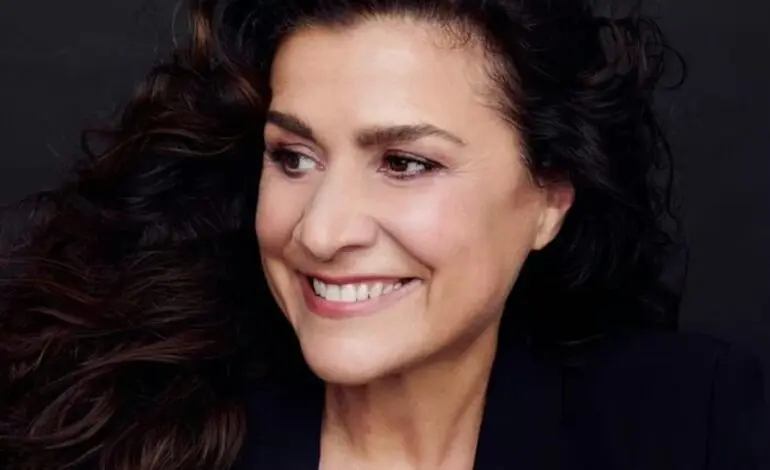
Introduction
Cecilia Bartoli is widely recognized as one of the most talented and engaging mezzo-sopranos of our time. Born on June 4, 1966, in Rome, Italy, she has captivated audiences worldwide with her remarkable vocal technique, emotional depth, and dynamic stage presence. With a career spanning over three decades, Bartoli has not only contributed to the world of classical music but has also played a pivotal role in reviving and popularizing baroque operas and other forgotten repertoire, making her an essential figure in contemporary classical music.
Career Highlights
Bartoli began her journey in music at a young age, appearing on stage as a child performer. She gained international acclaim after winning the prestigious International Mozart Competition in 1991. Since then, she has performed with notable orchestras and conductors around the globe, including the renowned Vienna Philharmonic and London’s Royal Opera House.
Her discography is impressive, featuring numerous award-winning albums that showcase her range and versatility. These recordings not only include operatic arias but also art songs and orchestral works, reflecting her diverse interests and commitment to exploring various musical styles. Bartoli’s interpretations often highlight the emotional undercurrents of the pieces she sings, earning her numerous accolades, including multiple Grammy Awards.
Contribution to Music
Aside from her performance career, Bartoli is a significant force for change in the classical music landscape. Her passion for forgotten composers, especially the works of 18th-century opera, has led to a revival of interest in these artists. In 2017, she founded the “Cecilia Bartoli – Der Weg der Stimmen” project, aimed at discovering and performing neglected works, ensuring that history does not overshadow the talent of lesser-known composers.
Bartoli’s efforts have not only made older compositions accessible to new audiences but have also inspired a younger generation of singers to explore and perform challenging repertoires. Her commitment to education and outreach in music exemplifies her dedication to nurturing the next wave of artists.
Conclusion
Cecilia Bartoli continues to be a beacon of inspiration within the classical music world. As she embarks on new projects, including concerts and operatic performances, audiences can anticipate innovative interpretations and a redefined appreciation for longstanding traditions. Her ongoing legacy as a performer and educator signifies the evolving nature of classical music, encouraging listeners to embrace the depth and breadth of the art form. Bartoli’s journey is not just a personal success story but a testament to the enduring power of music to connect, educate, and inspire.