The Importance of Incident Response Plans for Organizations
Introduction
In today’s digital landscape, where cyber threats are becoming more sophisticated and frequent, incident response plans (IRPs) have emerged as a critical component of organizational security strategy. An effective IRP outlines the processes and actions an organization should take to prepare for, detect, and respond to cybersecurity incidents. In light of recent high-profile data breaches and cyberattacks, understanding and implementing an IRP is vital for ensuring that businesses can mitigate risks and recover swiftly.
The Growing Need for Incident Response Plans
According to a study by IBM, the average cost of a data breach in 2023 is approximately $4.35 million, a significant increase from previous years. With the rise in cyber threats like ransomware attacks, phishing scams, and advanced persistent threats (APTs), organizations are realizing that defensive measures alone are not enough. This has led to the increased emphasis on developing and maintaining robust IRPs that not only address immediate response tactics but also outline long-term strategies for recovery and prevention.
Key Elements of an Incident Response Plan
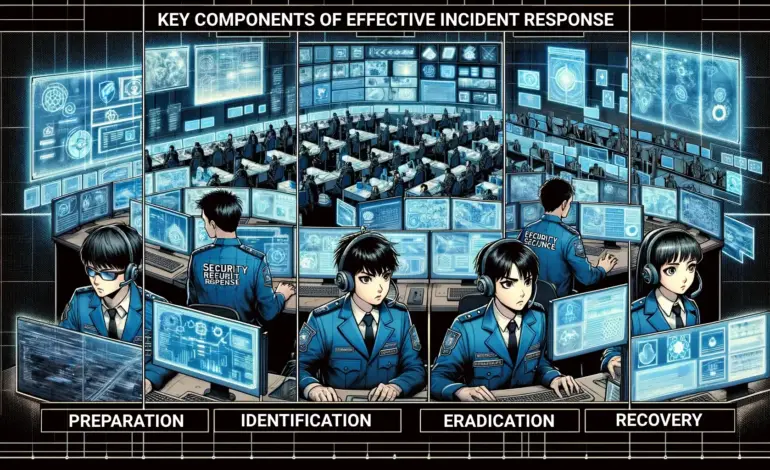
An effective incident response plan typically includes several key elements:
- Preparation: Establishing a team, defining roles, and conducting regular training.
- Identification: Detecting and reporting incidents promptly to minimize damage.
- Containment: Taking immediate steps to limit the spread or impact of the incident.
- Eradication: Finding the root cause of the incident and removing vulnerabilities.
- Recovery: Restoring affected systems and services to normal operation.
- Lessons Learned: Conducting a post-incident analysis to improve future response efforts.
Recent Events Highlighting the Need for IRPs
The recent wave of cyberattacks, including the MOVEit Transfer vulnerability exploited in May 2023 and the GoAnywhere data breach, has underscored the necessity of keeping incident response plans current. Organizations affected by these incidents were better able to manage and mitigate damages due to their preparation and incident management protocols, reiterating the importance of having a well-defined IRP.
Conclusion
As cyber threats continue to evolve, organizations must recognize the significance of incident response plans as a cornerstone of their security posture. By investing time and resources into developing, testing, and refining these plans, businesses can not only reduce the potential impact of cyber incidents but also foster a culture of preparedness and resilience. Moving forward, it is crucial for organizations to continuously update their IRPs to adapt to the changing landscape of cybersecurity threats and ensure the safety and continuity of their operations.