Iceland: A Land of Fire, Ice, and Culture
Introduction
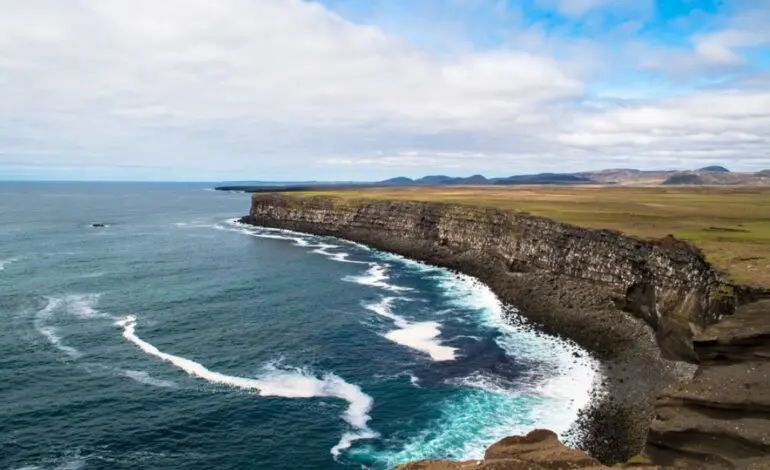
Iceland, known for its stunning landscapes of glaciers, volcanoes, and geysers, continues to draw the attention of travelers and environmentalists alike. As one of the fastest warming countries in the world, the effects of climate change are becoming increasingly noticeable, making the study and conservation of this unique ecosystem more vital than ever.
Geography and Climate
The geographical features of Iceland include the famous Vatnajökull glacier, numerous active volcanoes, and the Blue Lagoon—a geothermal spa. Due to its location on the Mid-Atlantic Ridge, the country experiences a unique geological activity. Recently, the Icelandic Met Office reported an increase in seismic activity around the Reykjanes Peninsula, signaling possible volcanic eruptions in the near future, igniting both excitement and concern among locals.
Culture and Recent Developments
Iceland is not only rich in natural beauty but also in culture. It has a strong literary tradition and vibrant music and arts scene exemplified by renowned artists like Björk and Sigur Rós. In recent events, the Reykjavik Cultural Night, which showcases local art, music, and cuisine, attracted thousands of visitors and highlighted Iceland’s rich heritage. Moreover, the ongoing discussions surrounding tourism sustainability are crucial as the country navigates the delicate balance between attracting tourists and preserving its natural environment.
Conclusion
The significance of Iceland as a focal point for climate discussions and as a travel destination is growing. Experts forecast an increase in eco-tourism and sustainable practices as measures to protect its fragile environments become essential. Iceland serves as a microcosm of global climate issues, and its response to these challenges is being watched closely by the international community. For readers, understanding Iceland’s landscapes and the current challenges it faces is integral to appreciating this extraordinary island and its future.