Exploring the Wonders of Madagascar: Culture and Biodiversity
Introduction
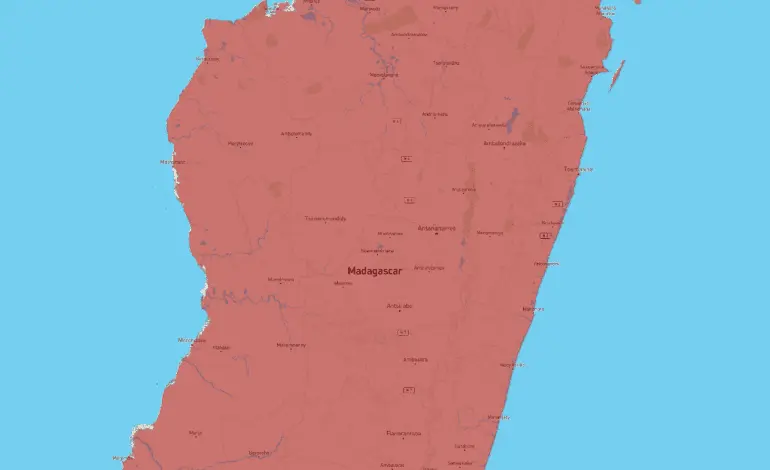
Madagascar, the fourth largest island in the world, is situated in the Indian Ocean, off the southeast coast of Africa. Renowned for its rich biodiversity and unique ecosystems, Madagascar is home to approximately 5% of the world’s plant and animal species, many of which are found nowhere else on Earth. The significance of Madagascar lies not only in its natural beauty and unique wildlife but also in its vibrant cultures and history, making it an essential destination for ecotourism and study.
Geographical Importance
The island spans over 226,000 square miles and features a variety of ecosystems, including rainforests, deserts, and coral reefs. Madagascar’s isolation, having separated from the African continent around 160 million years ago, has led to the evolution of species found only on the island. Current studies indicate that around 90% of wildlife here is endemic, with iconic animals such as lemurs, chameleons, and the fossa symbolizing the island’s unique identity.
Cultural Diversity
Madagascar is not just a haven for biodiversity; it is also rich in cultural diversity, with over 18 ethnic groups. Malagasy culture is a tapestry of influences from Africa, Asia, and Europe, reflected in its languages, music, and art. The traditional beliefs are deeply interwoven with modern practices, and celebrations such as the famadihana, or the turning of the bones, showcase the island’s rich heritage. This cultural blend contributes to a unique sense of identity that enhances the nation’s appeal to travelers.
Challenges and Conservation Efforts
Despite its ecological and cultural treasures, Madagascar faces significant challenges, including deforestation, loss of biodiversity, and the impacts of climate change. Recent reports have highlighted that around 90% of the primary forests have been lost, primarily due to agricultural expansion. In response, several organizations and the Malagasy government are focusing on conservation efforts. These include establishing protected areas, promoting sustainable agriculture, and increasing ecotourism to help local communities benefit economically while preserving their natural resources.
Conclusion
As Madagascar emerges more prominently on the global stage, its extravagant biodiversity and cultural depth command not only preservation but also our attention and respect. For travelers, researchers, and environmentalists alike, Madagascar presents an opportunity for discovery and appreciation of nature and culture. Looking ahead, the significance of these efforts cannot be understated, as they hold the key to sustaining this extraordinary island’s legacy for future generations.