Discovering Benin: Culture, Economy, and Future Prospects
Introduction
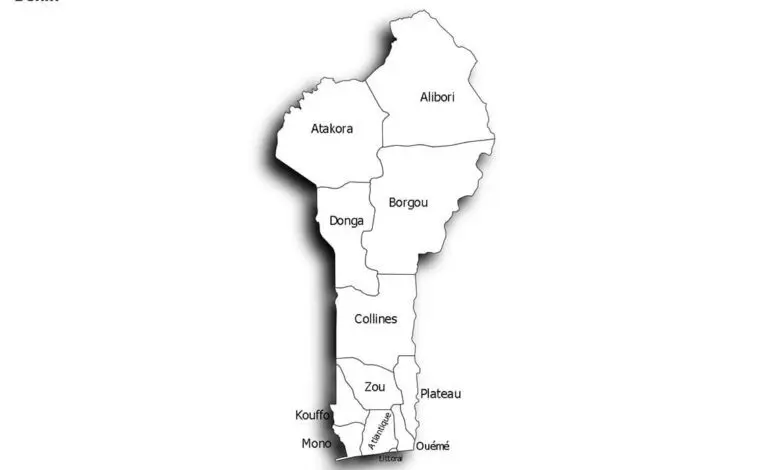
Benin, a small West African nation bordered by Togo, Nigeria, and Burkina Faso, is often overlooked in discussions about the region. However, its rich cultural heritage and recent economic developments highlight its significance in Africa. Known for its vibrant traditions, historical significance, and diverse landscapes, Benin is becoming an increasingly important player on the West African stage.
Cultural Significance
Benin is renowned for its cultural diversity, with over 50 ethnic groups contributing to its rich traditions. The Yoruba, Fon, and Adja peoples dominate the demographic landscape. Festivals such as the Ouidah Voodoo Festival illustrate the nation’s cultural heritage and draw international tourists eager to experience its local customs. Benin is also famous for being the birthplace of Voodoo, a spiritual practice with roots in West Africa, which is observed by many of its people and has gained recognition worldwide.
Economic Developments
Recently, Benin has made strides in economic growth, showcasing resilience and ambition in a region often challenged by instability. According to the African Development Bank, the country’s GDP grew by an impressive 6.9% in 2021, bolstered by agricultural exports and the expansion of its Port of Cotonou, one of the busiest ports in the region. The government is actively investing in infrastructure, education, and digital transformation to promote sustainable development. Moreover, the emergence of smartphone technology and internet access is fostering innovation and entrepreneurship among the younger population.
Challenges Ahead
Despite its progress, Benin faces challenges including political stability and economic diversification. The 2021 presidential elections were marked by controversy, leading to concerns about governance and electoral integrity. Additionally, the economy remains heavily reliant on cotton exports, making it vulnerable to global market fluctuations. Recognizing these challenges, the Beninese government is committed to diversifying its economy and improving institutional frameworks to ensure long-term stability.
Conclusion
Benin is a nation at a crossroads, rich in culture yet grappling with political and economic issues. With its strategic investments and focus on sustainable development, it has the potential to become a key player in West Africa’s evolution. For readers and stakeholders considering engagement in the region, understanding Benin’s unique landscape of culture and economy is essential in navigating opportunities and challenges ahead.