Understanding Winter Storms: Preparation and Safety Tips
Introduction
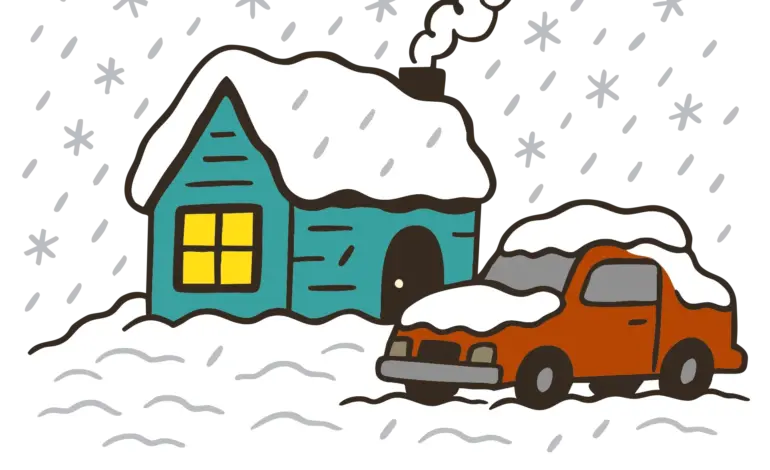
Winter storms pose significant challenges across various regions of the United States, bringing heavy snowfall, ice, and dangerously low temperatures. With climate change potentially contributing to more severe weather patterns, understanding winter storms’ impacts and preparation strategies is essential for personal safety and community resilience.
The Importance of Winter Storm Preparedness
According to the National Weather Service (NWS), winter storms cause an average of $3.6 billion in damages each year and lead to severe disruptions in daily life, road travel, and energy supply. As the cold season approaches, it is crucial for individuals and families to be equipped with knowledge and resources to respond effectively to winter storms.
Recent Winter Storm Events
In early January 2023, a powerful winter storm affected the Midwest and Northeast regions, leading to record snowfall in cities like Minneapolis and Chicago. Roads became treacherous, and power outages were reported as ice accumulation brought down trees and power lines. Following this event, the Federal Emergency Management Agency (FEMA) activated its resources to assist affected areas, emphasizing the need for prepared emergency response plans.
Preparation Strategies
Experts recommend a multifaceted approach to winter storm preparedness:
- Emergency Kits: Assemble home and vehicle emergency kits containing food, water, medication, flashlights, extra batteries, warm clothing, and blankets.
- Communication Plan: Establish a family communication plan that includes important contacts, meeting locations, and how to stay informed about weather updates.
- Home Safety: Insulate pipes, check heating systems, and stock up on salt or sand for walkways to reduce slip hazards.
- Stay Informed: Monitor local forecasts and warnings from reliable sources such as the NWS to anticipate storm impacts and respond appropriately.
Conclusion
Winter storms can lead to hazardous conditions that require both preparedness and adaptability. With increasing weather variability, the importance of planning for winter storms has never been more critical. By following safety guidelines and staying informed, individuals and communities can mitigate risks associated with winter weather, ensuring a safer winter season for all. As the season unfolds, residents are encouraged to stay vigilant and proactive in their preparations for winter storms.