Trump and Obama: A Comparative Political Analysis
Introduction
The presidencies of Donald Trump and Barack Obama have greatly shaped contemporary American politics. Their contrasting ideologies and leadership styles have ignited intense debate and analysis across the nation. Understanding their approaches and the implications of their policies is crucial for voters and researchers alike, especially as the political landscape continues to evolve.
Background of the Presidents
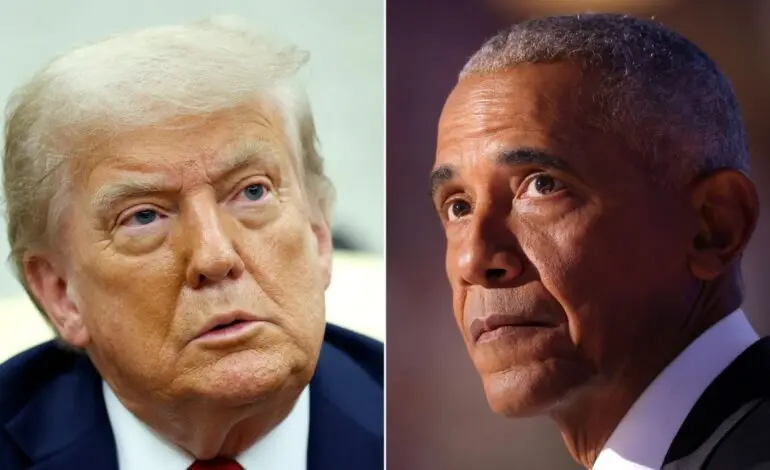
Barack Obama served as the 44th President of the United States from 2009 to 2017, becoming the first African American to hold the office. His presidency is marked by significant achievements such as the Affordable Care Act, commonly known as Obamacare, which aimed to expand health insurance coverage. Obama emphasized diplomacy in foreign policy, especially concerning relations with Cuba and the Iran nuclear deal.
Donald Trump followed Obama, assuming office as the 45th President in 2017 and serving until 2021. A businessman and television personality, Trump’s tenure was characterized by an America First agenda, focusing on deregulation, tax cuts, and immigration reform. His foreign policy was noted for its unilateral approach, including withdrawal from the Paris Agreement and the Iran Deal.
Key Policies and Ideological Differences
One of the central contrasts between Trump and Obama is their approach to healthcare. While Obama’s administration focused on expanding access to health care through legislation, Trump made it a priority to repeal Obamacare, arguing that it was burdensome for businesses and unnecessary for a majority of Americans.
On economic policy, Obama inherited the Great Recession and implemented stimulus packages aimed at recovery, prioritizing economic stability and job creation. In contrast, Trump emphasized tax reduction for corporations and individuals, claiming that this would spur growth and investment.
Public Perception and Legacy
The approval ratings of both presidents reflect their polarizing nature. Obama maintained a generally favorable image during and after his presidency, appealing especially to younger and minority voters. Trump, on the other hand, has a deeply divided public perception, with a significant portion of Americans supporting him strongly, while others vehemently oppose his policies and rhetoric.
Conclusion
As the U.S. continues navigating through complex political challenges, both Obama and Trump leave behind legacies that will influence future generations. Their differing visions for America reflect broader ideological divides within the country. Understanding their policies and approaches helps clarify ongoing debates around governance, economics, and social issues. As the next election cycle approaches, the impact of their presidencies on the current political climate remains a critical area of analysis.