Larry Krasner’s Influence on Criminal Justice in Philadelphia
Introduction
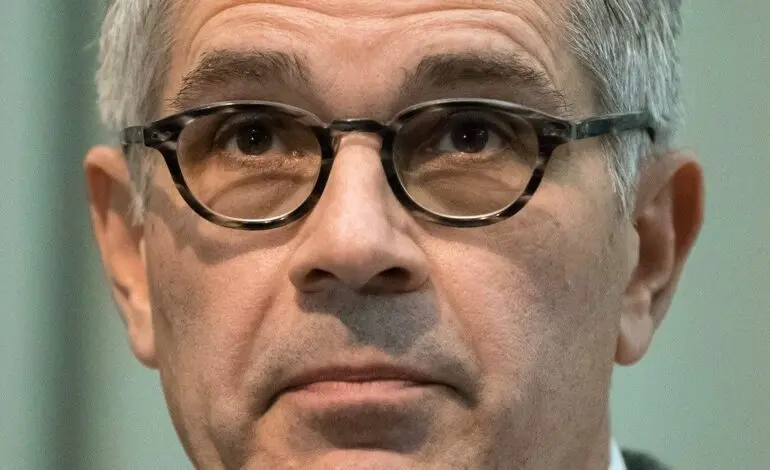
Larry Krasner, the District Attorney of Philadelphia, has emerged as a pivotal figure in the ongoing conversation about criminal justice reform in the United States. Elected in 2017 on a platform that promised to tackle systemic injustices and reduce mass incarceration, Krasner’s policies have attracted both praise and criticism. His approach is significant not only for Philadelphia but also for the wider implications it has for urban centers grappling with similar issues across the country.
Krasner’s Policies and Initiatives
Since taking office, Krasner has implemented several progressive policies aimed at reshaping the criminal justice landscape. One of his key initiatives is the focus on decriminalizing low-level offenses, which advocates argue helps to reduce unnecessary jail time and allows law enforcement to prioritize more serious crimes. Additionally, his office has pursued diversion programs that assist rather than punish non-violent offenders, aiming to address underlying issues like addiction and mental health.
Krasner’s commitment to transparency is also noteworthy. He has made data on prosecutorial decisions available to the public, which is a step towards accountability and trust-building in communities historically affected by over-policing. His office has also been proactive in addressing wrongful convictions, working to exonerate those who have been wrongly imprisoned.
Challenges and Controversies
Despite his successes, Krasner has faced substantial backlash. Critics, including some law enforcement officials and community members, argue that his policies contribute to a rise in crime rates, particularly violent crimes. They express concerns that reducing penalties for certain offenses and emphasizing rehabilitation could endanger public safety.
In 2022, crime rates in Philadelphia did spike, leading to intensified scrutiny of Krasner’s approach. High-profile incidents of violence have reignited debates about the effectiveness of his progressive policies. Nevertheless, Krasner maintains that the long-term benefits of his initiatives outweigh immediate upticks in crime.
Conclusion
The outcomes of Larry Krasner’s policies will undoubtedly shape the future of criminal justice in Philadelphia and beyond. As more cities consider similar reforms, the discourse surrounding Krasner will be critical. Observers will continue to watch how his administration navigates challenges and the impact of his progressive agenda on communities. Ultimately, Krasner’s tenure serves as both a case study in reformative justice and a cautionary tale for the complexities involved in changing established systems.