The Greenland and Trump Acquisition Controversy
Introduction
The proposed acquisition of Greenland by former President Donald Trump in 2019 stirred significant media attention and controversy. This topic remains relevant as it sheds light on the geopolitical significance of the Arctic region, climate change implications, and ongoing U.S.-Denmark relations.
The Acquisition Proposal
In August 2019, President Trump expressed interest in purchasing Greenland, a territory of Denmark, claiming it was a ‘strategic’ move. Trump’s proposal was met with immediate backlash, both from Danish officials and the broader international community. Danish Prime Minister Mette Frederiksen described the offer as ‘absurd,’ emphasizing that Greenland is not for sale.
Geopolitical Significance
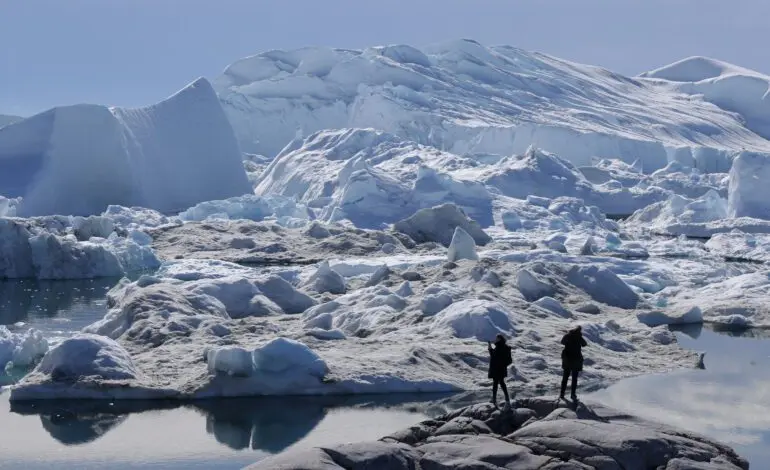
Greenland’s strategic location between the North American and European continents presents various geopolitical interests, including military and economic considerations. The Arctic region is becoming increasingly important due to melting ice caps, which open new shipping routes and access to natural resources, such as oil and minerals. Trump’s acquisition proposal highlighted the U.S.’s desire to assert its dominance in the Arctic, especially with rising interest from China and Russia in the area.
The Response and Fallout
After Denmark rejected the proposal, Trump canceled a state visit originally planned for September 2019. The incident sparked discussions about national identity and foreign policy approaches. Critics argued that Trump’s impulsive suggestions undermined diplomatic relations, while some supporters viewed the proposal as an innovative approach to securing U.S. interests.
Current Developments
Since the fallout of the acquisition proposal, the U.S. has continued to engage with Greenland and Denmark, albeit with a focus on cooperation rather than acquisition. There are ongoing discussions surrounding climate change, defense agreements, and investments in Greenland’s infrastructure and economic development. The U.S. has shown interest in enhancing its presence on the island, further indicating that Greenland will remain a focal point in U.S. foreign policy.
Conclusion
The Greenland acquisition controversy remains a significant example of how geopolitical visions can collide with national interests. As climate change alters the Arctic landscape, and global politics shift, the importance of Greenland will likely intensify. The situation serves as a reminder of the complexities of international relations and the intricacies of territorial discussions in the 21st century.