What You Need to Know About the Polar Vortex
Introduction to the Polar Vortex
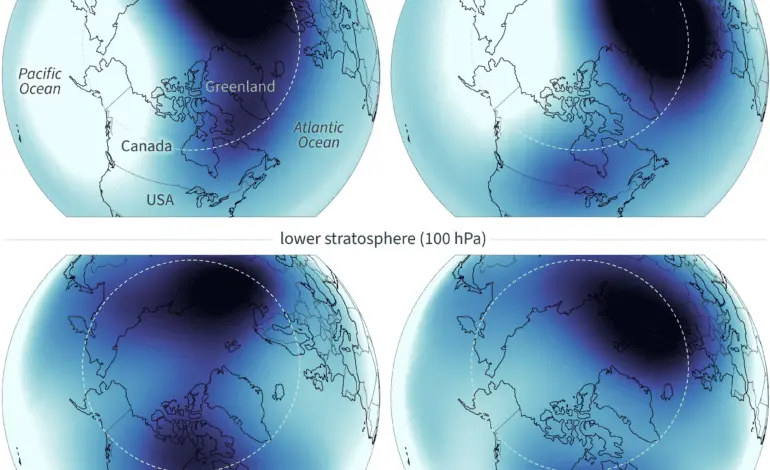
The polar vortex is a large area of low pressure and cold air surrounding the Earth’s poles. It plays a crucial role in shaping weather patterns during winter months, especially in the Northern Hemisphere. Understanding the polar vortex is increasingly important, as changes in its behavior can lead to extreme weather events, influencing temperatures, snowfall, and storm patterns across many regions.
What Causes the Polar Vortex?
The polar vortex forms when the stratospheric winds become stable and create a dome of cold air over the poles. Typically, the vortex remains strong, keeping cold air confined to the Arctic. However, various factors, including climate change and significant weather phenomena, can weaken the vortex, allowing frigid air to plunge southward and impact cities far from the poles.
Recent Events and Trends
This winter season has exhibited noticeable fluctuations in the polar vortex due to several atmospheric factors. In recent weeks, meteorologists have observed a significant weakening of the polar vortex, which has resulted in extreme cold spells across the northern United States and parts of Europe. In particular, states like Minnesota and North Dakota have faced record low temperatures, while cities such as Chicago and New York experienced unusually harsh winter conditions.
Experts are continuing to study how climate change might be affecting the polar vortex. Some research suggests that warmer Arctic temperatures can destabilize the polar vortex, leading to more frequent and severe cold outbreaks in lower latitudes.
The Significance of Understanding the Polar Vortex
For citizens, comprehending the behavior of the polar vortex is crucial for weather preparedness, especially during severe winter conditions. Communities and local governments can take proactive measures to protect vulnerable populations from the impacts of extreme cold. Understanding these phenomena also encourages further inquiry into the long-term impacts of climate change on our world.
Conclusion
The polar vortex remains an essential factor in determining winter weather across North America and Europe. With ongoing climatic changes, keeping an eye on the polar vortex’s activity will be vital for accurate weather forecasting. As research continues, the connections between the polar vortex and global weather patterns will be more clearly understood, highlighting the importance of this meteorological phenomenon in everyday life.