Understanding the Great Lakes: A Vital Resource
Introduction
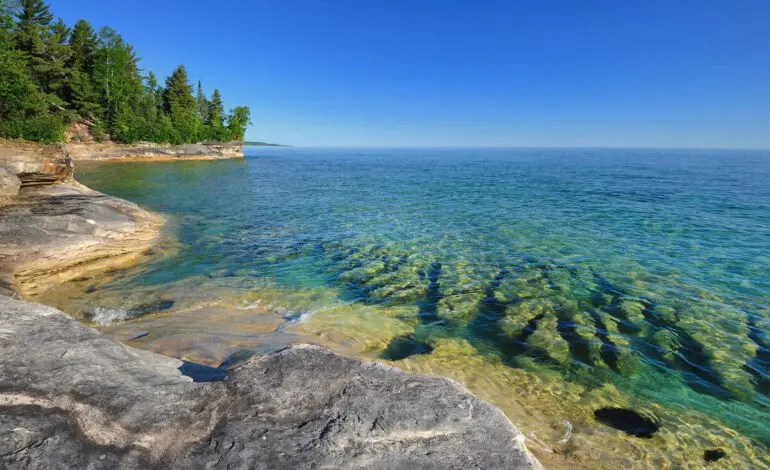
The Great Lakes, comprising Lakes Superior, Michigan, Huron, Erie, and Ontario, form the largest group of freshwater lakes in the world by total area. Their significance extends beyond just natural beauty; they are vital for the economy, ecology, and recreation of the surrounding regions. Covering parts of the United States and Canada, the Great Lakes serve as a crucial resource for millions of people, impacting both local communities and industries.
Geographical Overview
The Great Lakes span approximately 94,000 square miles and hold about 20% of the world’s unfrozen freshwater supply. The lakes form a natural border between the United States and Canada, and their unique geographical features contribute to a diverse range of ecosystems. From dense forests to expansive wetlands, the interconnected waterways provide habitats for numerous plant and animal species, making the Great Lakes a biodiversity hotspot.
Economic Impact
The Great Lakes play a critical role in the economy of both the United States and Canada. They serve as a major shipping route, with over 160 ports facilitating trade and transportation. The region supports industries such as agriculture, tourism, and fishing, generating billions of dollars annually. Moreover, the Great Lakes basin is home to over 30 million people, relying on the lakes for drinking water, recreation, and employment opportunities.
Ecological Challenges
Despite their immense value, the Great Lakes face several ecological challenges. Pollution, invasive species, climate change, and habitat degradation pose significant threats to their health. Programs aimed at conservation and restoration have been initiated, such as the Great Lakes Restoration Initiative, which funds projects to improve water quality and protect native habitats. Awareness and community involvement are essential for sustaining the ecological integrity of the region.
Recreation and Tourism
The Great Lakes are also a premier destination for recreational activities. From boating and fishing to hiking and camping, the lakes attract millions of visitors each year. Natural attractions like national parks and beaches provide opportunities for people to connect with nature and enjoy outdoor activities. With its stunning landscapes and rich cultural heritage, the Great Lakes region offers a unique experience for both residents and tourists alike.
Conclusion
In summary, the Great Lakes are a crucial resource that encapsulates ecological, economic, and recreational significance. As we move forward, it is imperative to prioritize the health of these lakes through sustainable practices and conservation efforts. Their well-being will not only benefit local communities but will also ensure that future generations can continue to enjoy and rely on these magnificent bodies of water. Ongoing awareness and action from all stakeholders are vital in safeguarding the Great Lakes for years to come.