Understanding TPS Haiti and Its Impact on Immigrants
Introduction
The Temporary Protected Status (TPS) for Haiti is a critical humanitarian policy that provides temporary relief to Haitian immigrants in the United States. Given the ongoing crises in Haiti, including political instability and natural disasters, TPS serves as a lifeline for many families who are unable to return safely to their homeland. The significance of this status has grown notably in light of recent events, making it a crucial topic for discussions about immigration and international support.
Background on TPS Haiti
TPS was initially designated for Haitians following the catastrophic earthquake in 2010, which resulted in significant devastation across the country. This designation allowed numerous Haitians who were present in the U.S. at that time to remain and work legally while conditions in Haiti remained dire.
In 2021, the Biden administration extended TPS for Haiti due to worsening situations, including gang violence, economic instability, and the impacts of the COVID-19 pandemic. The extension allows Haitians to maintain their legal status without the fear of deportation, thus offering them some stability during an uncertain period.
Recent Developments
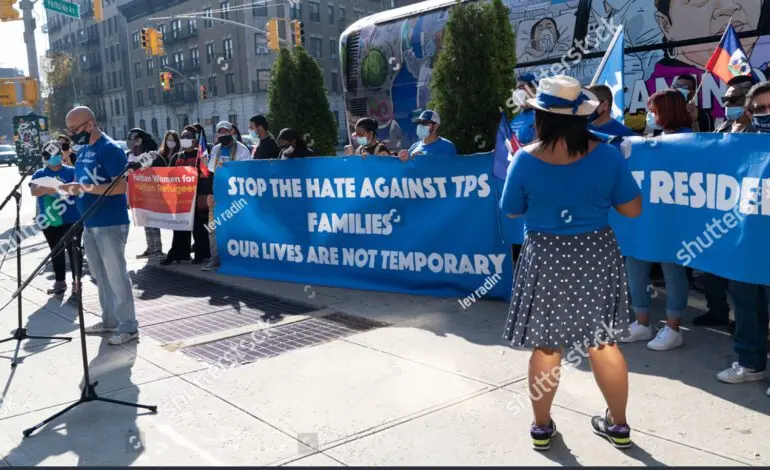
As of October 2023, the TPS designation for Haiti continues to be a focal point in immigration discourse. The current administration has emphasized the need to address the root causes of migration, urging Congress to act on comprehensive immigration reform. Advocacy groups are pushing for a more permanent solution, arguing that the conditions in Haiti remain perilous and warrant continuous support from the U.S. government.
Moreover, recent reports indicate a surge in gang violence and a lack of effective governance in Haiti, further justifying the need for TPS. As illegal activities escalate, the risk for returning Haitians grows, especially for those who oppose gang influence.
Conclusion
The importance of TPS for Haiti cannot be overstated as it plays a vital role in the lives of thousands of Haitian families in the U.S. Committee actions and governmental decisions over the next few months could shape the future for these individuals significantly. If provided the opportunity, many TPS holders wish to contribute positively to their communities and support their families back home. The ongoing dialogue within the U.S. regarding TPS for Haiti exemplifies a broader commitment to humanitarian values and international responsibility.