Understanding Measles Symptoms and Their Importance
Introduction to Measles Symptoms
Measles, also known as rubeola, is a viral infection that can lead to serious health complications. As vaccination rates fluctuate and outbreaks occur, understanding the symptoms of measles becomes increasingly important for public health. Early identification is critical to prevent the spread of this highly contagious disease, making awareness essential among both parents and healthcare providers.
Key Symptoms of Measles
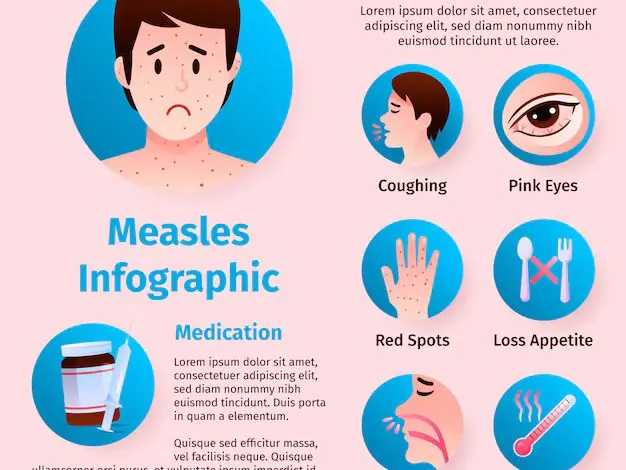
The symptoms of measles typically appear 7-14 days after exposure to the virus, which spreads through respiratory droplets from coughs and sneezes. Initial symptoms often resemble those of a common cold and may include:
- High Fever: Usually, a high fever that can reach as high as 104°F (40°C).
- Cough: A dry cough is one of the first signs observed.
- Runny Nose: Increased nasal discharge is common.
- Conjunctivitis: Red, inflamed eyes, or photophobia (sensitivity to light).
After a few days, more distinctive symptoms develop:
- Koplik Spots: Small white spots with bluish-white centers may appear inside the mouth.
- Rash: A red, blotchy skin rash typically starts on the face and spreads downward over the body within a few days.
Recent Measles Outbreaks and Public Health Responses
In recent years, the U.S. has seen a resurgence of measles outbreaks, primarily attributed to declines in vaccination rates. According to the Centers for Disease Control and Prevention (CDC), there were 1,282 reported cases of measles in the U.S. in 2019, the highest number since 1992. Public health officials have increased efforts to promote vaccination and raise awareness of symptoms to better control future outbreaks.
Healthcare professionals are urged to report suspected cases to health authorities promptly. Early recognition of symptoms can help in prompt isolation and management of the disease, reducing the risk of widespread transmission.
Conclusion
Understanding measles symptoms is vital for both prevention and timely response to outbreaks. With ongoing debates about vaccination, it is essential for parents and caregivers to educate themselves and ensure their children are vaccinated according to recommended schedules. Knowledge of measles symptoms not only benefits individual health but also contributes to the overall safety of communities, helping to maintain herd immunity and prevent future outbreaks.