Understanding Benjamin Netanyahu’s Impact on Israeli Politics
Introduction
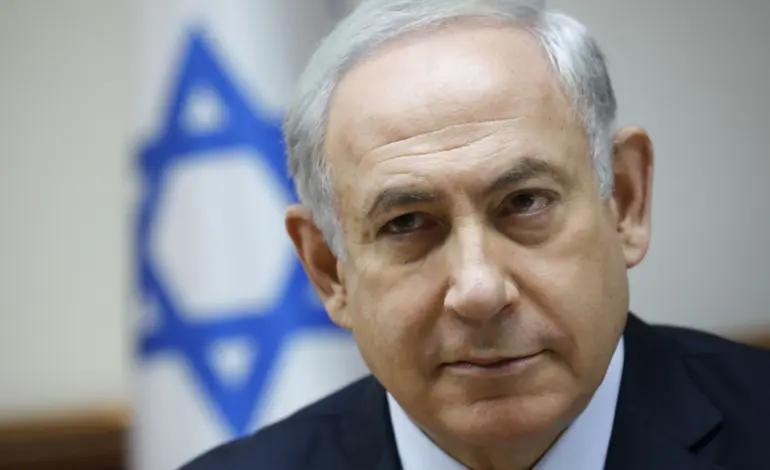
Benjamin Netanyahu, the longest-serving Prime Minister in Israel’s history, has played a pivotal role in shaping the nation’s political landscape. His tenure has been marked by significant policies, controversies, and international relations that resonate profoundly in both regional and global contexts. As Israel faces continuous challenges and transformations, understanding Netanyahu’s impact is more relevant now than ever.
Background and Political Rise
Born on October 21, 1949, in Tel Aviv, Netanyahu, affectionately known as ‘Bibi’, is a member of the Likud party. He first served as Prime Minister from 1996 to 1999 and returned to power in 2009. His political narrative is interwoven with national security, economic growth, and a firm stance against terrorism, particularly in relation to Palestinian groups.
Recent Developments
The ongoing conflict with Hamas escalated significantly in 2023, bringing heightened tension to Netanyahu’s leadership. In early October 2023, a surprise attack by Hamas resulted in substantial casualties and complex challenges for the Israeli defense establishment. Many critics argued that Netanyahu’s government had neglected security for political gains, leading to increased scrutiny from both the public and the international community.
Domestic Challenges and Controversies
Domestically, Netanyahu has faced numerous challenges, including protests against judicial reforms aimed at limiting the power of the Supreme Court, which many perceived as an attack on democracy. These significant civil disturbances have sparked debates about democracy and the rule of law in Israel.
International Relations
Netanyahu’s foreign policy has also drawn attention, particularly his approach towards Iran, the ongoing Palestinian conflict, and relations with the United States and Arab nations. Recently, Israel’s normalization agreements with several Arab nations have been touted as a significant achievement; however, these agreements face scrutiny amid the humanitarian crisis in Gaza and the rising tensions with Palestinian groups.
Conclusion
Benjamin Netanyahu continues to be a polarizing figure in Israeli politics, with his policies and leadership style impacting both domestic and international fronts. As elections approach and geopolitical tensions escalate, Netanyahu’s ability to navigate these challenges will be crucial. Observers foresee a critical period for Israel that could redefine its political landscape and Netanyahu’s legacy for years to come.