The Pioneering Influence of Noam Chomsky
Introduction
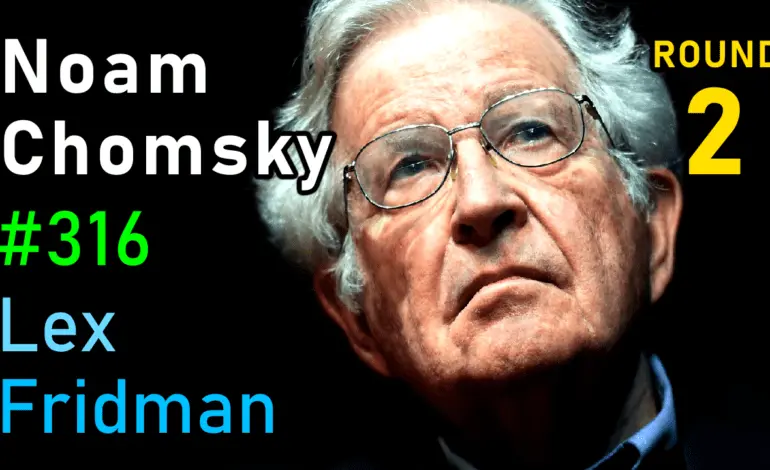
Noam Chomsky, often hailed as the father of modern linguistics, has significantly influenced both the field of linguistics and broader political discourse for over six decades. Understanding his work is crucial, as it continues to shape debates in language theory, cognitive science, and political activism. Chomsky’s critiques of media, war, and capitalism have elevated him to a prominent position in intellectual circles, making him a pivotal figure in 20th and 21st-century thought.
Chomsky’s Contributions to Linguistics
Born on December 7, 1928, Noam Chomsky revolutionized the study of language with his theory of Universal Grammar, proposing that the ability to acquire language is innate to humans. His seminal works, such as “Syntactic Structures” (1957) and “Aspects of the Theory of Syntax” (1965), argued that all humans share a common structural basis for language, challenging behavioral theories that emphasized external stimuli and rewards. This perspective not only influenced linguistics but also impacted cognitive psychology, leading to a greater understanding of the human mind.
Political Engagement and Activism
Alongside his linguistic contributions, Chomsky is a prominent political commentator and activist. His critiques of U.S. foreign policy, especially regarding Vietnam and the Middle East, have resonated with anti-war movements. In works like “Manufacturing Consent” (1988), co-authored with Edward S. Herman, Chomsky examines the media’s role in shaping public perception, arguing that a propaganda model skews the representation of news. His advocacy for social justice, human rights, and environmental issues remains steadfast, reflecting his belief in the importance of activism in conjunction with intellectual discourse.
Recent Developments and Legacy
As of late 2023, Chomsky continues to write and speak publicly, engaging with new generations on topics ranging from artificial intelligence to climate change. His insights on the intersection of technology and society are particularly relevant in today’s rapidly evolving landscape. Chomsky’s legacy as a thinker who bridges the gap between academic theory and real-world application remains significant, inspiring countless individuals to question institutions of power and privilege.
Conclusion
Noam Chomsky’s work traverses the realms of linguistics and activism, offering critical perspectives that challenge mainstream narratives. His theories continue to influence various disciplines, while his activism serves as a reminder of the importance of intellectual engagement in the face of societal challenges. As new issues arise, Chomsky’s voice remains a beacon for those seeking understanding and justice in an increasingly complex world.