The Legacy of Rosa Parks in the Civil Rights Movement
Introduction
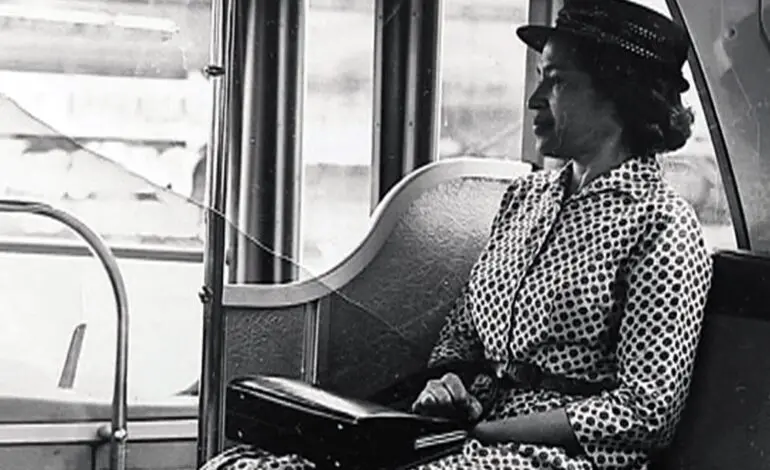
Rosa Parks is celebrated as a legendary figure in American history, known for her courageous act of civil disobedience that ignited the Civil Rights Movement. Her refusal to give up her seat to a white passenger on a segregated bus in Montgomery, Alabama, on December 1, 1955, became a pivotal moment in the struggle for racial equality. The significance of Parks’ actions stretches beyond that single day; it symbolizes the fight against systemic racism and the resilience of the African American community.
The Montgomery Bus Boycott
Parks’ arrest for violating segregation laws sparked the Montgomery Bus Boycott, which lasted for 381 days. This mass protest against bus segregation was organized by notable civil rights leaders, including Dr. Martin Luther King Jr., who emerged as a powerful voice for change during this period. The boycott resulted in a significant economic blow to the city’s bus system and demonstrated the effectiveness of peaceful protest in driving legislative change.
Impact on Civil Rights Legislation
The actions of Parks and the subsequent boycott were instrumental in the U.S. Supreme Court ruling that declared segregation on public buses unconstitutional. In 1956, the court’s decision marked a critical victory in the ongoing battle against discrimination and inequality. Parks’ bravery inspired countless others, leading to a wave of civil rights demonstrations across the country aimed at achieving equal rights for all citizens, irrespective of race.
Ongoing Legacy
Rosa Parks’s legacy continues to resonate today. Her commitment to justice and equality serves as a source of inspiration for new generations advocating for civil rights, social justice, and equality for marginalized communities. Parks has been honored with numerous accolades, including the Presidential Medal of Freedom and the Congressional Gold Medal. Additionally, her story is taught across schools nationwide to highlight the importance of standing up against injustice.
Conclusion
Rosa Parks’ determined stance against racial injustice has left an indelible mark on American society. She not only sparked a movement but also taught future generations the importance of courage and activism. As discussions around civil rights and social justice continue, Parks’ actions remind us of the ongoing struggle for equality and the power of individual dissent in reshaping the social landscape.