The Legacy of Jackie Robinson: Breaking Barriers in Baseball
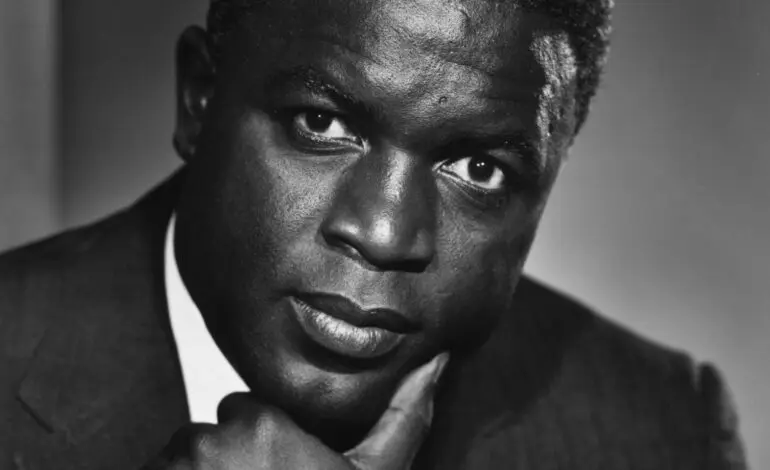
The Importance of Jackie Robinson
Jackie Robinson is not just a name associated with baseball; he is a symbol of courage, resilience, and the fight against racial inequality. His entry into Major League Baseball (MLB) in 1947 marked a pivotal moment in American history, breaking the color barrier in a sport long dominated by white players. Today, Robinson’s legacy is celebrated not only for his athletic prowess but also for his profound impact on civil rights.
Robinson’s Historic MLB Debut
On April 15, 1947, Jackie Robinson took to the field as the first African American to compete in the MLB, playing for the Brooklyn Dodgers. This was a time when segregation was rampant in the United States, and Robinson faced intense adversity, including hostility from fans and even players. However, he persevered, showcasing his incredible skill and determination. Robinson’s performance—including his rookie season batting average of .297—soon earned him recognition and respect, eventually leading to his induction into the Baseball Hall of Fame in 1962.
Off the Field: A Champion for Equality
Robinson’s impact extended far beyond the baseball diamond. He leveraged his fame to advocate for civil rights, becoming a key figure in the fight against racial discrimination. He was deeply involved in organizations that worked towards greater equality, including the NAACP and the Urban League. His actions and words inspired many, and he played a significant role in raising awareness about the injustices faced by African Americans. Robinson’s legacy is commemorated through initiatives like Jackie Robinson Day, celebrated annually in the MLB on April 15, when every player wears his number 42.
Continuing Influence and Significance
Today, Jackie Robinson’s influence persists in sports and society. His story is taught in schools and serves as an example of how courage can lead to change. The ongoing conversations around racial equality and diversity in sports are influenced by Robinson’s groundbreaking legacy. As we reflect on his contributions, it’s apparent that the lessons learned from his life continue to resonate, inspiring new generations to challenge inequalities and strive for a more inclusive future.
Conclusion
Jackie Robinson was more than just a baseball player; he was a trailblazer who broke down barriers, paving the way for future athletes of color in professional sports. His legacy is a reminder of the ongoing struggle for equality and serves as a call to action for individuals to stand against injustice. As we honor Jackie Robinson, we not only celebrate a sports hero but also recognize the important role he played in the civil rights movement, reminding us all of the power of sports as a catalyst for social change.